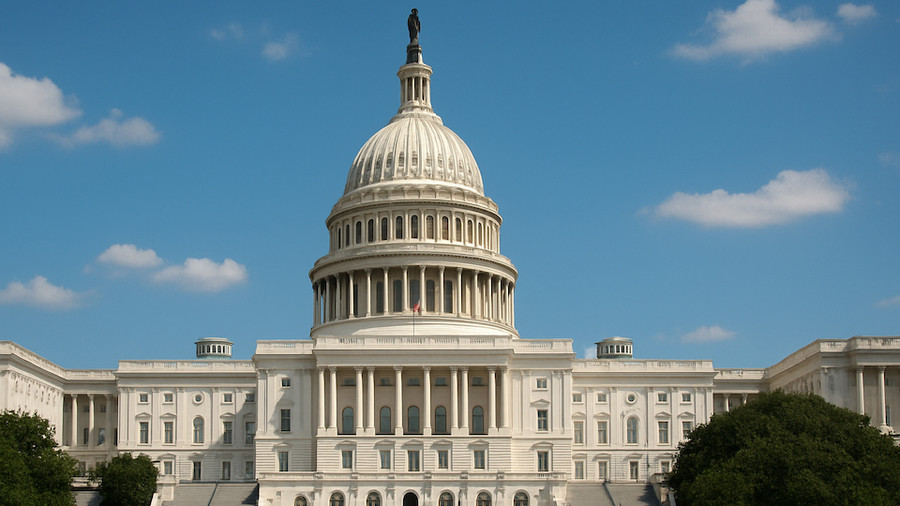
On September 10, 2026 Representatives Mark DeSaulnier (D-CA-10) and Jimmy Patronis (R-FL-01) introduced HR 10332, the Sunset Section 230 Act, which would repeal Section 230 of the Communications Decency Act two years after enactment. DeSaulnier's office called the 1996 law "obsolete and dangerous" and framed repeal as a way for Americans to "bring legal action against big tech companies responsible for online harm." Patronis described Big Tech as "a crooked dealer, pushing digital fentanyl to our kids." The bill was referred to the House Committee on Energy and Commerce.
Why It Matters
For adult platforms and creator-economy companies, Section 230 is load-bearing infrastructure that nobody markets and everybody depends on. Remove it and every user upload becomes a potential defendant-side litigation event, which changes the economics of hosting user-generated content far more than any age verification statute has. The likely consequence is not that platforms disappear but that they consolidate — the compliance and litigation overhead favors the incumbents with the deepest pockets, which is exactly the opposite of the stated intent. There is also a directional signal worth tracking. Project 2025's "Mandate for Leadership," which has proven a reliable guide to this administration's priorities, called both for rewriting Section 230 and for criminalizing adult content outright on the theory that pornography "has no claim to First Amendment protection." A bipartisan repeal vehicle with a Democratic lead sponsor gives that project a wider coalition than it would otherwise have. Nobody should expect HR 10332 to pass in its current form — none of its predecessors have moved. The thing to watch is whether it becomes the chassis onto which a sector-specific carve-out gets bolted.Section 230 shields interactive computer services from liability for content their users post — a protection that covers Meta and Google, but equally covers tube sites, cam platforms, creator subscription services and any sex tech product with a social or user-generated layer. XBIZ, reporting the introduction on September 11, noted that the new bill carries the same name as a measure Patronis introduced in January that has seen no movement since, and joins a queue of pending repeal proposals, none of which have advanced.
The sunset structure is itself a tell. As XBIZ observed, legislators increasingly use a delayed repeal as leverage to extract concessions from stakeholders rather than as a sincere attempt at immediate abolition — the Senate Commerce Committee's March hearing focused on amending Section 230 rather than scrapping it. That negotiating dynamic is precisely what worries the adult industry: the most likely outcome of opening the statute is not repeal but carve-outs, in the tradition of FOSTA/SESTA's exemption stripping immunity from platforms that "unlawfully promote and facilitate" prostitution or sex trafficking.
The stakes were demonstrated in August, when the Ninth Circuit upheld a ruling that Section 230 protects WebGroup Czech Republic — parent of XVideos, XNXX, BangBros and GirlsGoneWild — from liability in a case involving user-uploaded CSAM, a case backed by the National Center on Sexual Exploitation. NCOSE has itself called for Section 230's repeal. As Techdirt's Mike Masnick has argued, the law's practical value is procedural: it lets defendants dispose of meritless suits early. Most claims against adult platforms would likely fail on First Amendment grounds eventually, but "eventually" is measured in seven-figure legal bills that large platforms can absorb and small ones cannot.
The DeSaulnier release also situates the bill against this summer's settlement in which Meta agreed to pay up to $18 billion to resolve claims by 29 states over youth mental health, including mandated default daily time limits, nighttime blocks liftable only by a parent, and a requirement to respond to 90% of teen harm reports within six hours.
Sources
- Representatives DeSaulnier and Patronis Introduce Legislation to Hold Tech Companies Accountable and Protect Young Americans — Office of Rep. Mark DeSaulnier
- California, Florida Reps File Latest Bill to Repeal Section 230 — XBIZ
Update — 2026-09-14
{Initial entry — story first created.}