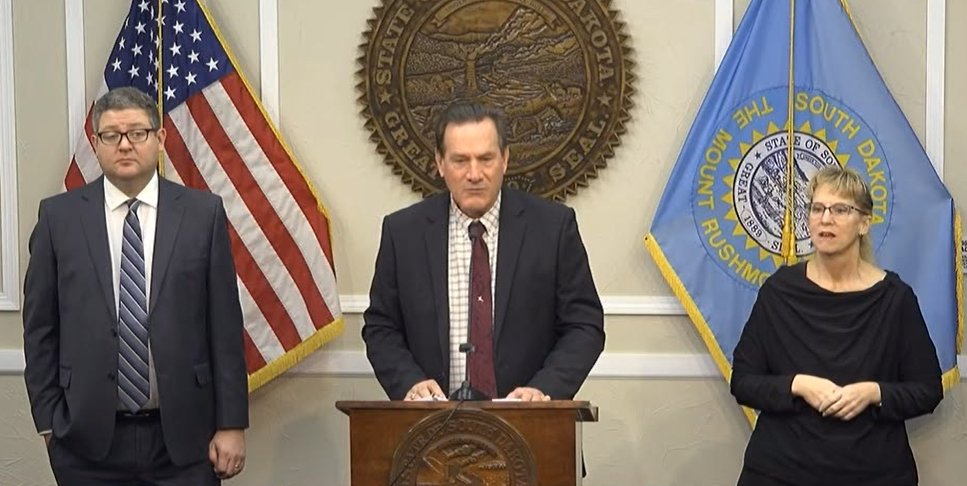
On March 17, 2026, South Dakota Governor Larry Rhoden signed Senate Bill 41 into law, making the creation, possession, or sharing of non-consensual sexually explicit deepfakes a felony punishable by up to two years in prison. The bill was one of 11 public safety measures Rhoden signed that day, but SB 41 stands out as one of the most aggressive state-level responses to AI-generated intimate imagery to date.
Why It Matters
South Dakota's felony-level criminalization adds to the accelerating patchwork of state deepfake laws, joining federal efforts like the DEFIANCE Act and TAKE IT DOWN Act. For the sex tech and content platform industries, the trend is unmistakable: legislatures are no longer treating AI-generated intimate imagery as a grey area. The July 1 effective date gives platforms operating in or serving South Dakota residents a narrow window to ensure their content moderation and reporting systems can identify and remove deepfake material. As more states follow suit, companies building AI tools with image generation capabilities will face increasing pressure to implement robust consent verification and output filtering at the model level.The legislation was proposed by Attorney General Marty Jackley, who built on his successful push for a 2024 law targeting AI-generated child sexual abuse material. SB 41 extends that framework to cover all non-consensual deepfake pornography depicting adults, adding new provisions to South Dakota's existing non-consensual recording statutes. The bill specifically targets images of "unwilling people in states of nudity or engaging in pornographic acts" created through artificial intelligence or other digital manipulation tools.
The law takes effect on July 1, 2026, making South Dakota one of a growing number of states moving to criminalize deepfake pornography as AI image generation tools become increasingly accessible and realistic. The bill's passage reflects concerns about the rapid expansion of AI capabilities — tools that once required significant technical expertise can now produce convincing deepfakes in seconds, and the volume of non-consensual deepfake content online has grown exponentially in recent years.
Sources
- Creating, Sharing of Deepfakes Will Be a Felony Under South Dakota Bill — South Dakota Searchlight
- Gov. Rhoden Signs Bill to Make Deepfakes a Crime and 10 Other Public Safety Bills — KVRR
Update — 2026-03-22
Initial entry — story first created.
Update — 2026-03-23
Related development: Three Arizona women filed a lawsuit on March 18, 2026 against AI platforms that were used to generate pornographic deepfakes from their Instagram photos without consent. The case highlights enforcement gaps — Arizona has not yet passed a specific deepfake criminalization law like South Dakota's SB 41. The Arizona lawsuit, combined with South Dakota's felony statute, illustrates the two-track approach emerging nationwide: criminal penalties in some states, civil litigation in others. Meanwhile, the UN Women report published March 21 found 98% of all deepfake videos are pornographic and 99% depict women, adding urgency to the legislative push.