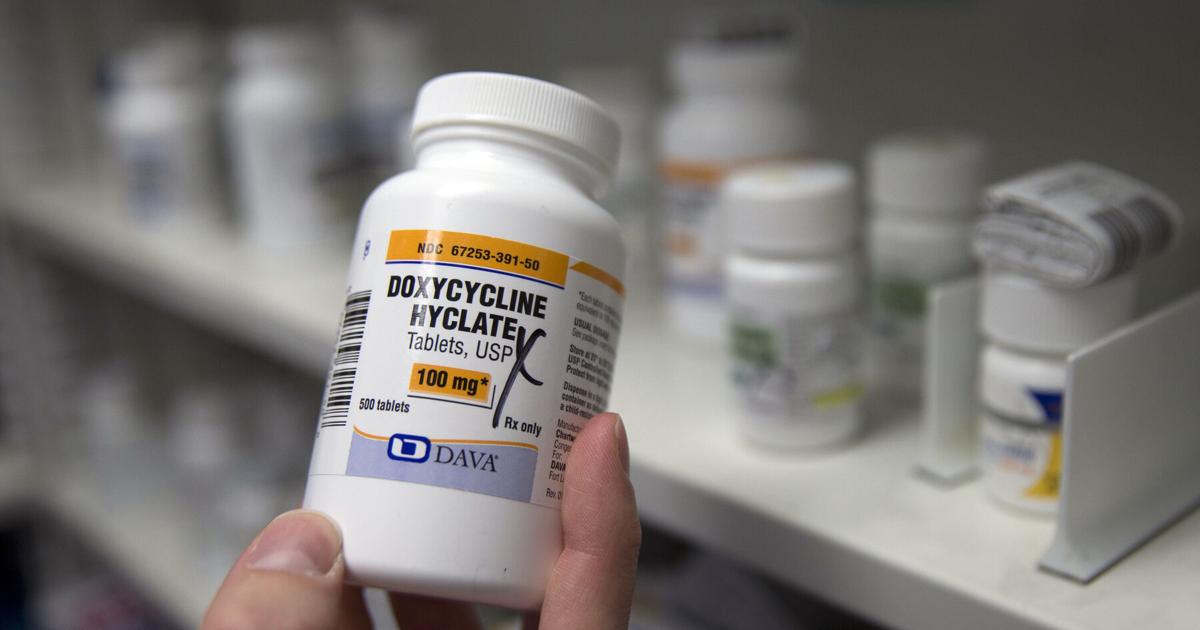
On April 14, 2026, the San Francisco Department of Public Health released its 2025 STI surveillance data showing dramatic declines across the city's three primary reportable infections: syphilis cases fell 24%, chlamydia cases fell 18%, and gonorrhea cases fell 5% year-over-year. Public health officials directly credited the use of doxycycline post-exposure prophylaxis (doxy-PEP) — a single-dose antibiotic taken within 72 hours of unprotected sex — as the single largest driver of the reductions. The findings arrive as CDC STI Awareness Week (April 12–18) put US syphilis surges in the national spotlight.
Why It Matters
The San Francisco data is the most encouraging sexual-health public-health news of 2026 so far, and it has direct implications for sextech businesses operating in STI testing and PrEP delivery. At-home testing platforms (Everlywell, myLAB Box, Nurx) and telehealth PrEP providers now have a validated case study to present to investors and insurers: a targeted biomedical prevention tool can drop STI rates at population scale within 2–3 years of distribution. The gender disparity in outcomes also opens a clear opportunity: doxy-PEP's benefit has not reached women of reproductive age, and companies building STI services for women now have both CDC data (145% rise in women's syphilis, 2020–2024) and SF data showing prevention tools exist but aren't being delivered. The 5% drop in gonorrhea, meanwhile, is the flashing red light for pharma and public health — without new antibiotic development, the overall STI-prevention wins from doxy-PEP will be increasingly offset by XDR-gonorrhea.Doxy-PEP works by killing bacteria shortly after exposure before the infection can establish. It's been recommended by San Francisco public health since 2022, primarily for men who have sex with men (MSM) and transgender women who report recent STI diagnoses and multiple partners. The 2025 results are the clearest real-world confirmation that the strategy works at population scale when distribution and uptake are high. San Francisco distributes doxy-PEP free through the city clinic system and reports very high adherence among MSM users, which is why the syphilis reduction (24%) so far outstripped gonorrhea (5%) — doxycycline is far less effective against increasingly antibiotic-resistant gonorrhea strains.
The disparities in the data are also significant. Men saw a 27% drop in syphilis cases; women saw only a 5% drop. The gap reflects who doxy-PEP has been prescribed for (predominantly MSM populations) versus who is increasingly driving new syphilis cases nationally (women of reproductive age, a CDC-flagged trend). Unhoused residents and people with substance use disorders continued to face elevated syphilis risk. San Francisco AIDS Foundation's "End the Epidemics" coalition attributed additional gains to state-level funding they secured in 2024 for expanded STI testing, treatment access, and PrEP-adjacent services.
The gonorrhea numbers matter for different reasons. December 2025 saw the FDA approve two new gonorrhea antibiotics — zoliflodacin (brand: Nuzolvence) and gepotidacin (brand: Blujepa) — the first new gonorrhea drugs in decades. Both target the growing class of XDR-gonorrhea (extensively drug-resistant) cases that have been emerging globally. The small 5% gonorrhea decline in SF (versus 24% for syphilis) is a warning: without new antibiotics in the pipeline, gonorrhea is becoming untreatable in ways syphilis is not.
Sources
- San Francisco Sees Significant Drops in STI Cases Last Year — SF Examiner
- San Francisco Sees Sharp Declines in Syphilis, Chlamydia and Gonorrhea Cases in 2025 — Local News Matters
- Sexual Health Prevention Tool Associated With Declines in STIs in San Francisco — SF.gov
- New Data Show Sustained Declines in Chlamydia, Syphilis Among Doxy-PEP Users — CIDRAP
Update — 2026-04-24
Initial entry — story first created.
Update — 2026-10-16
San Francisco takes doxy-PEP beyond the trial populations. The city's updated health advisory, issued in May and reported on October 11 by NPR and KQED, lets clinicians offer doxy-PEP through shared decision-making to cisgender women and anyone assigned female at birth who had condomless sex in the past year and who either had a bacterial STI (especially syphilis or repeat chlamydia) or report risk factors such as substance use, unstable housing, sex work, intimate partner violence, incarceration or partners who are men who have sex with men. Clinicians "may also consider it for anyone, regardless of gender" (Medical Daily). That is broader than CDC guidance, which still limits its recommendation to gay, bisexual and other men who have sex with men and to transgender women with a recent bacterial STI, citing insufficient evidence for other groups. The city points to recent studies from Japan and Kenya with different dosing schedules and frames the expansion partly as congenital-syphilis prevention. It also tells clinicians to counsel anyone who could become pregnant not to use doxycycline while pregnant.
Some clinics are already ahead of the guidance. At the Strut clinic, Dr. Hyman Scott and colleagues offer doxy-PEP to anyone they think could benefit, NPR reports: "We cannot make the same mistakes with rollout that we made with PrEP." Gonorrhea, which fell only about 5%, remains the warning sign. UCSF's Dr. Annie Luetkemeyer said doxy-PEP is "likely contributing" to the declines but worries rapid uptake could worsen resistance. Australian and European authorities still recommend it mainly to prevent syphilis.
What changed: Our April entry flagged that San Francisco's women saw only a 5% syphilis drop against 27% for men, because doxy-PEP had been prescribed almost entirely to MSM. The city has now moved to close that gap on its own, ahead of the CDC. For STI telehealth and at-home-testing businesses, women of reproductive age are now an explicit doxy-PEP market in at least one major US city, with the resistance debate attached.