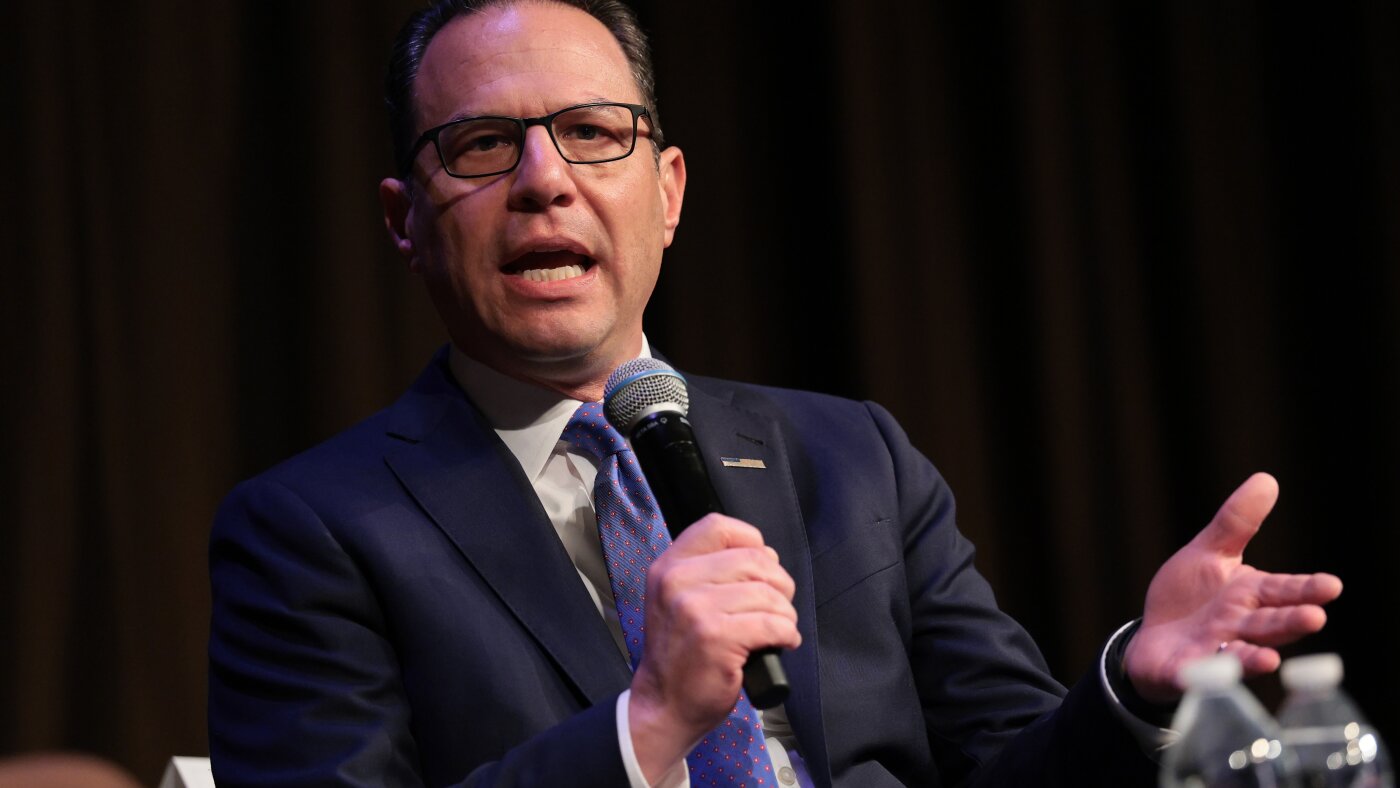
On May 5, 2026, Pennsylvania Attorney General Dave Sunday filed suit against Character.AI in the Court of Common Pleas of Philadelphia County, alleging that the AI companion platform allowed user-created chatbots to impersonate licensed medical and mental-health professionals and offer medical advice in violation of the state's medical-licensing regulations and consumer-protection law. It is the first state attorney general lawsuit targeting an AI companion platform specifically over the medical-impersonation vector — separate from the Character.AI lawsuits filed by parents over teen suicide cases that the company settled in January 2026.
Why It Matters
The Pennsylvania filing is a precedent-setting use of state medical-licensing law against a generative AI platform — a legal theory that, if it survives motion practice, could be replicated by every state attorney general's office in the country. For sex-tech adjacent AI companions (Replika, Candy.AI, DreamGF, RealRobotix, Lovense's Emily) with romantic, sexual coaching, or quasi-therapeutic personas, the case signals that "user-generated" disclaimers will not insulate the platform from licensing-law claims. Combined with Character.AI's January 2026 settlements over teen suicide cases, expect platform operators to harden their persona-blocking and clinician-impersonation guardrails fast.The Pennsylvania complaint cites named user-generated bots styled as therapists, psychiatrists, gynecologists, and emergency-medicine doctors that engaged users in clinical-style consultations, sometimes providing medication recommendations, sexual-health guidance, and symptom assessment without any disclosure that the responses came from a generative model trained on internet text rather than a licensed clinician. The AG's office argues that under Pennsylvania's Medical Practice Act, holding oneself out as a doctor or providing medical diagnoses requires a state license, and that Character.AI's reactive moderation does not absolve the platform of responsibility under the state's Unfair Trade Practices and Consumer Protection Law for the user-generated bots that operate on its infrastructure.
The lawsuit lands at a particularly active moment for AI-companion regulation. California's SB 243 and New York's AI Companion Safety Act both took effect at the start of 2026 with minor-protection mandates. Oregon, Washington, Idaho, and Pennsylvania itself have all advanced state-level companion-chatbot bills since March. The federal Take It Down Act's May 19 platform compliance deadline applies to AI companion platforms that produce or facilitate nonconsensual deepfake intimate imagery, and Senators Welch and Padilla sent information-demand letters to Character.AI, Replika, and other companion platforms in late April requesting safety documentation.
For sex tech, the immediate read is that AI companion platforms with sexual or romantic role-play features are now in the cross-hairs of two parallel state-level enforcement vectors: the minor-protection vector (California, New York, Oregon, Washington) and the unauthorized-practice-of-medicine vector that Pennsylvania has just opened. Bots offering "sexual coaching," "ED counseling," "fertility guidance," or therapist personas are the most exposed.
Sources
- Pennsylvania sues Character.AI over claims chatbot posed as doctor — NPR
- Senators demand information from AI companion apps — Sen. Welch press release
- Character AI Lawsuit For Suicide And Self-Harm — TorHoerman Law
Update — 2026-05-08
Initial entry — story first created.