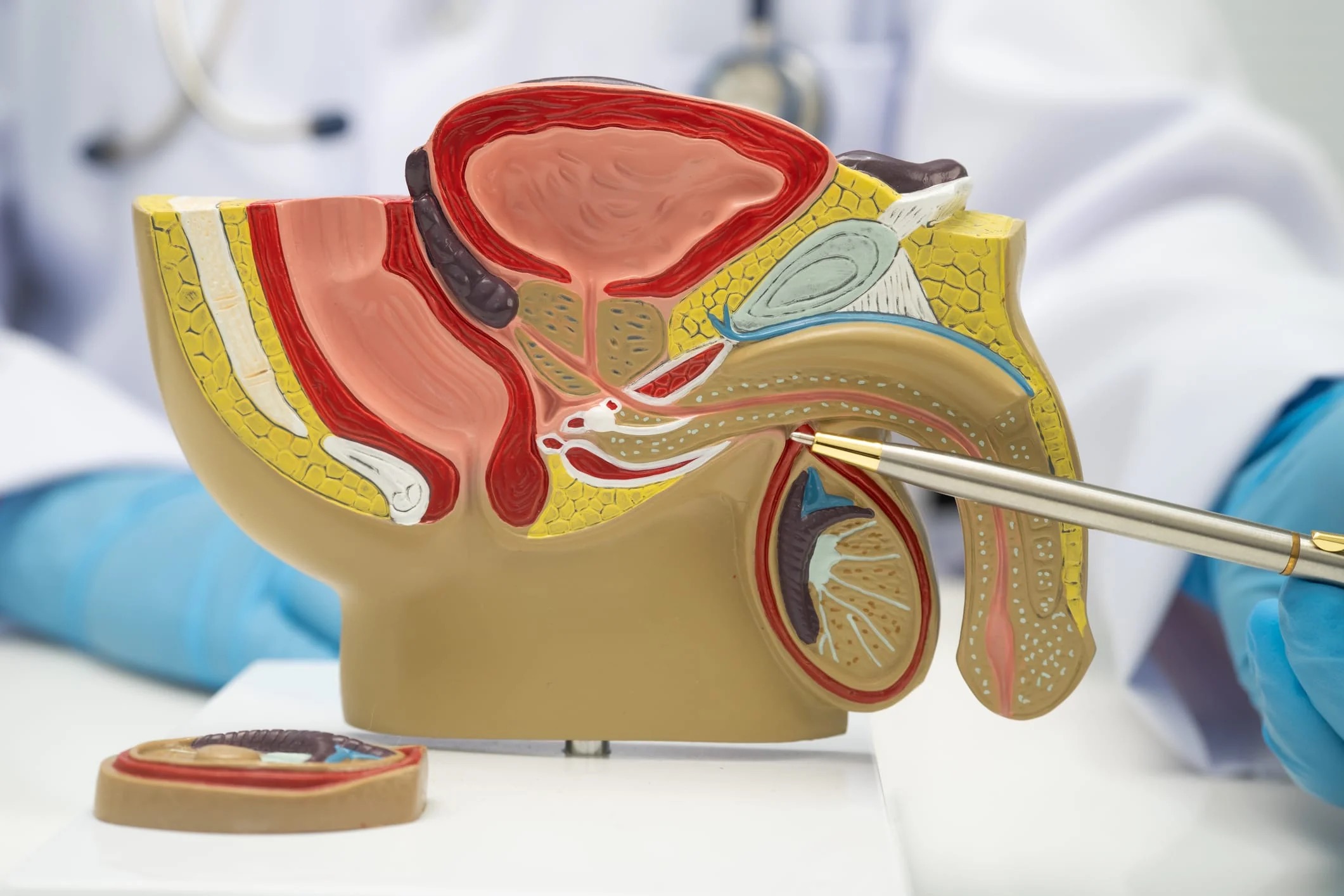
On October 26, 2026, Path Fertility, the commercial brand of molecular-diagnostics company Inherent Biosciences, announced a $2 million, two-year Direct to Phase II SBIR grant from the NIH's Eunice Kennedy Shriver National Institute of Child Health and Human Development (NICHD). The money will fund development and clinical validation of an epigenetic diagnostic for non-obstructive azoospermia (NOA), the most severe form of male infertility, in which the testes produce little or no sperm. The company made the announcement at the ASRM 2026 Scientific Congress in Baltimore, where Chief Scientific Officer Kristin Brogaard, PhD, presented two studies the same day.
Why It Matters
Male-factor infertility contributes to a large share of couples' infertility, yet diagnostics have barely moved beyond the semen analysis. Federal money for an epigenetic, semen-only test is a modest but real validation of the category. The cancer and cardiovascular link matters most commercially. A positive result would make an infertility workup a general men's-health screening touchpoint, which interests DTC sperm-testing and men's-telehealth players expanding into fertility and hormones (see [Hims' TRT push](/stories/hims-injectable-oral-trt-launch)). The caveats: the 19% prevalence figure comes from earlier research the company supported, the colorectal-cancer arm is exploratory, and a lab-developed test still has to show clinical utility before payers cover it.The science. According to the company and Clinical Lab Products, NOA affects about 1% of men worldwide and is clinically linked to higher risks of cardiovascular disease and cancer. Standard workups such as karyotyping and Y-chromosome microdeletion testing leave many cases unexplained. Earlier research led by Dr. Dolores Lamb and supported by Inherent found epigenetic changes ("epimutations") in MSH5, a DNA mismatch-repair gene, in up to 19% of men with NOA. Under the grant, Path Fertility plans to confirm that prevalence in a multi-site study and to build a semen-based reflex test that removes the separate blood draw. It will also measure MSH5 epimutations in 500 colorectal-cancer patients, a population known for mismatch-repair defects, and validate the assay in a CLIA-certified lab for commercial launch as a lab-developed test. The test will be added to NOA Guide, Path's tool for predicting whether sperm can be surgically retrieved.
Also at ASRM. One of Brogaard's oral presentations reported that in 67 men with NOA undergoing surgical sperm retrieval, the amount of sperm-derived cell-free DNA in a semen sample predicted retrieval outcomes. That is the cfDNA technology behind NOA Guide. CEO Andy Olson pointed to the company's existing SpermQT test, saying it showed "a 'normal' semen analysis can miss subfertile men."
Sources
- Path Fertility Awarded $2 Million NIH Grant to Develop Epigenetic Test for Severe Male Infertility and Associated Cancer Risk — Newswire (Oct 26, 2026)
- Path Fertility Receives $2 Million NIH Grant to Develop Test for Male Infertility and Associated Cancer Risk — Clinical Lab Products (Oct 26, 2026)
Update — 2026-10-29
Initial entry — story first created.