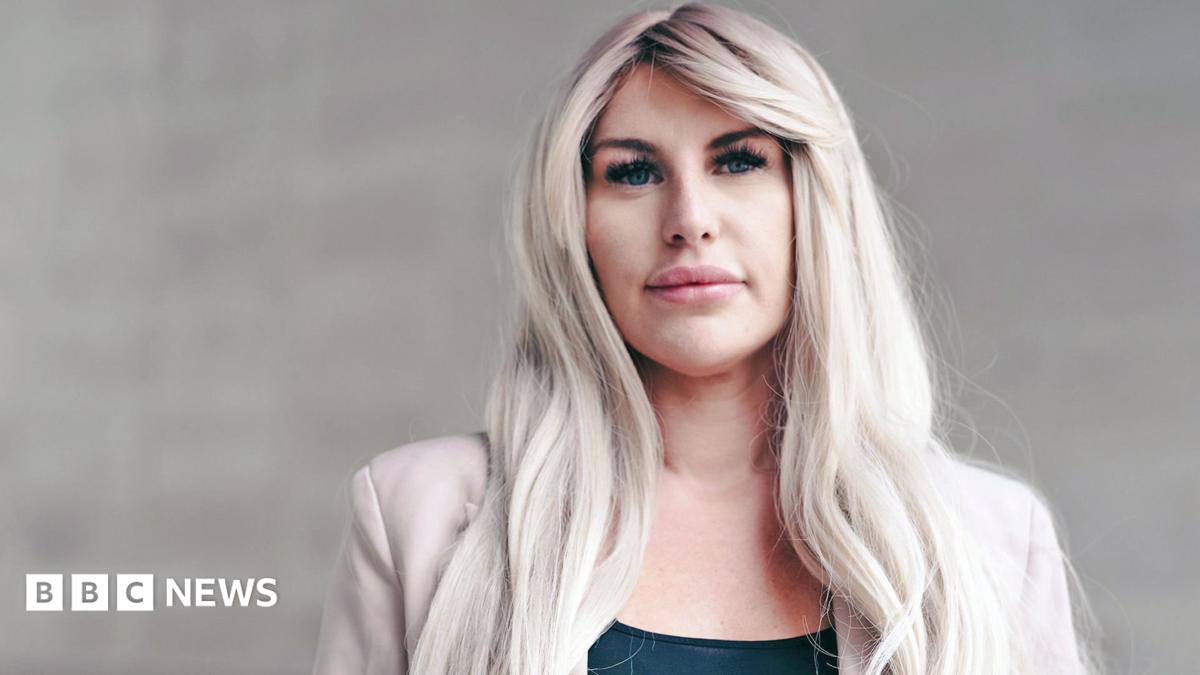
In mid-June 2026, two of Britain's biggest newsrooms turned the spotlight on the shadowy "management" layer that has grown up around OnlyFans. On June 15, the BBC published an investigation finding that so-called agents and management agencies routinely control and threaten UK creators while taking up to half of their earnings. Three days later, on June 18, The Guardian ran a parallel exposé describing the practices of OnlyFans managers in starker terms still — quoting sources who called the dynamic "exploiting," "grooming," and "predatory."
Why It Matters
The creator economy's biggest vulnerability has never been the platforms themselves so much as the unregulated services that cluster around them. For investors and operators, the BBC and Guardian investigations signal reputational and potentially legal exposure: if agencies are coercing creators, pressure will mount on OnlyFans to police its ecosystem, vet management firms, or build native tools that make agencies unnecessary. For sex-worker-rights advocates, the reporting is a double-edged sword — it validates long-standing warnings about predatory middlemen, but risks being weaponized by abolitionist groups to argue the entire platform model is exploitative. Expect renewed calls for clearer creator contracts, agency licensing, and platform-level transparency about who is really managing — and profiting from — adult creators' accounts.The reporting describes an opaque cottage industry that has metastasized as OnlyFans matured into a platform with millions of creators. Agencies pitch themselves as marketing and chat-management partners, promising to handle direct messages, upsells, and growth so creators can scale their income. In practice, the investigations found, many lock performers into lopsided contracts, take outsized revenue shares, and in some cases use coercion or threats to keep creators producing. Because the agencies sit between the platform and the creator, they operate largely outside OnlyFans' direct oversight — and outside the employment protections that would apply in most other industries.
The investigations land at a sensitive moment for the creator economy. OnlyFans has spent years polishing its image as a creator-empowerment platform, and parent company Fenix International has been the subject of recurring sale and valuation chatter. Coverage of a predatory middleman layer complicates that narrative, raising the question of whether the platform bears responsibility for what happens in the agency ecosystem orbiting it — even when those agencies are nominally third parties. The stories also dovetail with a broader cultural reckoning: HBO's "Euphoria" drew its own debate this month over how it depicts OnlyFans culture, with creator Sophie Rain and others pushing back on stigmatizing portrayals.
The exploitation framing also feeds directly into the regulatory pressure already bearing down on adult platforms. U.S. Sen. Jim Banks has been urging the DOJ toward obscenity prosecutions and citing OnlyFans' scale (4 million creators, 370 million users) in his letters, while age-verification and content-moderation mandates pile up across states and countries. A documented pattern of creator coercion gives anti-platform campaigners fresh ammunition — even though the harm described is being inflicted by intermediaries, not the platform's core product.
Sources
- OnlyFans 'agents' exploit creators while taking half their earnings, BBC finds — BBC
- The malignant rise of OnlyFans managers: 'It's exploiting. It's grooming. It's predatory' — The Guardian
Update — 2026-06-27
Initial entry — story first created.
Update — 2026-10-08
From exposé to litigation. On October 7, 2026, Law360 reported that OnlyFans is facing a group claim in England over "exploitative" arrangements involving third-party managers who, the claim says, routinely deprive creators of their earnings. The company leading the case announced the claim that Wednesday. Law360's full article is paywalled. Its free summary doesn't name the claimant firm, the court or tribunal, the size of the class or the damages sought, so we aren't reporting those details until they can be verified. OnlyFans' response hasn't been reported either.
The timing coincides with another pressure point. Per XBIZ (October 6), creators are objecting to updated OnlyFans terms taking effect November 1 that let the platform suspend accounts and hold earnings over conduct it believes could harm its reputation. Rival YourVids is already using that complaint in its marketing.
What changed since June: The BBC and Guardian investigations described a predatory management layer around the platform. A collective legal action now tests whether the platform itself can be held responsible for what agencies do on it. For OnlyFans' owners, who are dealing with the estate questions after Leo Radvinsky's death and long-running sale talk, a UK group claim adds a contingent liability that any buyer would have to price. Watch for the claimant's identity, whether it is filed as an opt-out collective action, and whether OnlyFans responds with native agency vetting or a manager-verification program.