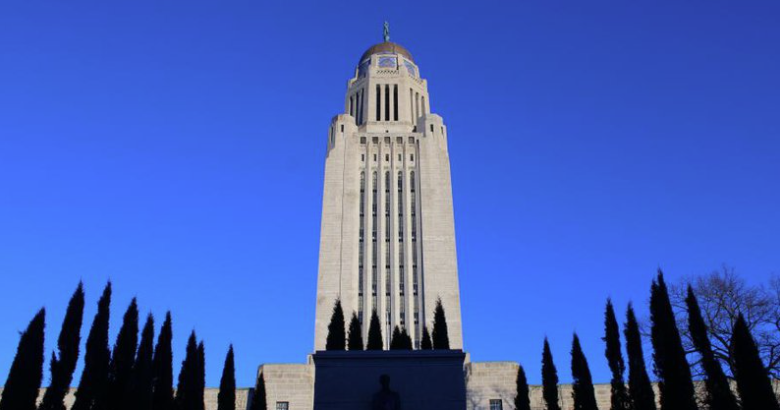
On June 27, 2026, U.S. District Judge John Gerrard ruled that key provisions of Nebraska's Parental Rights in Social Media Act (LB 383) likely violate the First Amendment and blocked them from taking effect on July 1. The tech-industry trade group NetChoice — whose members include Meta and TikTok — had sued the state and sought a preliminary injunction. Gerrard granted it as to the law's two central mandates: the requirement that platforms verify users' ages before account creation, and the requirement that minors obtain "express parental consent" to make an account.
Why It Matters
Age-verification fights nominally about "social media" and "child safety" are the same legal battleground that governs adult-content access, and every ruling reshapes the compliance map for sextech, adult platforms, and sexual-wellness commerce alike. Nebraska's loss hands NetChoice and free-expression advocates another First Amendment win and reinforces the argument that ID-at-the-door mandates are presumptively unconstitutional when they gate protected speech. But with Ohio and Texas decisions cutting the other way, the patchwork is widening, not converging — leaving platforms to build state-by-state verification systems against a backdrop of legal uncertainty. The lone surviving "parental dashboard" provision also hints at where courts may permit regulation: monitoring and transparency tools rather than blanket age gates. For an industry where payment processors and platforms already over-comply to avoid liability, the chilling effect persists regardless of which way any single injunction breaks.In his opinion, Gerrard wrote that by "requiring age verification and parental consent to create an account, LB 383 has a direct impact on several protected First Amendment activities and materials," reasoning that account creation is a necessary gateway to protected expression. Nebraska's attorneys had argued the law fell outside First Amendment scrutiny because it merely regulated a minor's ability to open an account rather than their speech; the judge disagreed and applied strict scrutiny. While he accepted that the state had a compelling interest in mitigating social media's documented mental-health harms to minors, he found the age-verification and parental-consent provisions unlikely to survive that heightened standard. Gerrard did, however, allow one narrower piece of the law to stand: a provision requiring platforms to build a dashboard letting parents monitor a minor's posts, interactions, and private messages, which he deemed "narrowly tailored."
The ruling is the latest in a fast-moving and contradictory national docket. In late May, the Fifth Circuit allowed Texas's App Store Accountability Act to take effect, and other courts have upheld age-assurance mandates even as several have enjoined them. The split underscores how unsettled the constitutional status of age verification remains heading toward likely Supreme Court review.
Sources
- Federal judge blocks Nebraska's social media age verification law from going into effect in July (Nebraska Public Media)
- NetChoice v. Hilgers (Nebraska) — case page and filings (NetChoice)
Update — 2026-06-29
{Initial entry — story first created.}