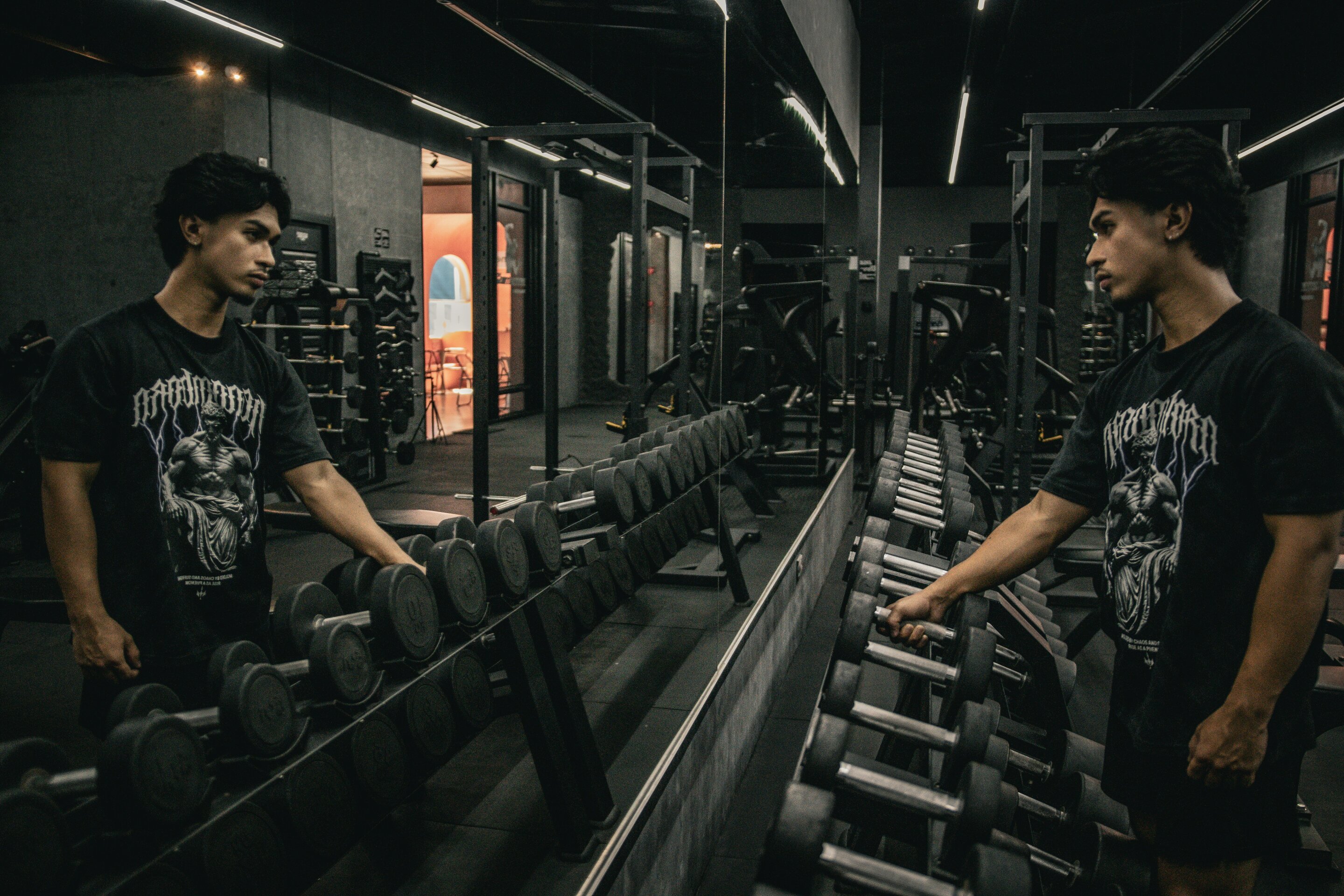
A study reported on October 5, 2026 and published in the journal Body Image finds that boys and young men with more symptoms of muscle dysmorphia, an intense preoccupation with and dissatisfaction about one's own muscularity, are more likely to report a broad range of sexual difficulties. Researchers led by Kyle T. Ganson, PhD, MSW, associate professor at the University of Toronto's Factor-Inwentash Faculty of Social Work, analyzed data from 1,116 sexually active boys and men aged 15 to 35 in Canada and the United States.
Why It Matters
Men's sexual-health telehealth sells mostly to men in their 20s and 30s, and it often sits next to fitness, testosterone and "optimization" products. This study suggests part of the demand for ED and performance treatment among young men may come from body-image distress and from gym-culture practices such as steroid cycles, not from vascular causes. A PDE5 subscription treats the symptom, not the cause. For platforms selling both testosterone and ED medication to the same young demographic, that is a clinical-screening problem and potentially a reputational one. It also fits a regulatory direction Afterglow has been tracking: tighter scrutiny of lifestyle TRT, with Health Canada's [TLANDO label](/stories/lipocine-tlando-health-canada-approval) explicitly ruling out treating sexual dysfunction without documented deficiency. Platforms that build mental-health and body-image screening into their intake for young men, and that ask about anabolic steroid use, will be easier to defend than those that simply prescribe.Higher muscle dysmorphia scores were associated with seven of the eight sexual difficulties studied. These included anxiety during sex, lack of sexual interest or enjoyment, lack of arousal, difficulty reaching climax, physical pain during sex, and difficulty getting or maintaining an erection. The appearance-distress items mattered most: dissatisfaction with how one looks and discomfort with one's own body were consistently linked to sexual problems. The strongest single link was with feeling anxious during sex. "If someone is highly focused on how their body looks or worried about being seen by a partner, those thoughts may interfere with sexual interest, arousal, enjoyment and functioning," Ganson said.
The authors also suggest a second, behavioural pathway. Things men do in pursuit of muscularity, including excessive exercise, restrictive eating and anabolic-androgenic steroid use, may themselves cause sexual dysfunction. "Sexual health should be part of the conversation when clinicians are assessing boys and men with significant muscle dysmorphia symptoms," Ganson said. The paper is cross-sectional, so it shows association rather than cause, and the release does not claim otherwise.
Sources
- Muscle dysmorphia symptoms linked with sexual difficulties among boys and young men — Medical Xpress (Oct 5, 2026)
- Muscle Fixation Linked To Sexual Problems Among Men, Boys — HealthDay (Oct 7, 2026)
- Study: Ganson KT et al., "Associations between muscle dysmorphia symptoms and sexual functioning among sexually active boys and young men," Body Image (2026). DOI: 10.1016/j.bodyim.2026.102201
Update — 2026-10-09
Initial entry — story first created.