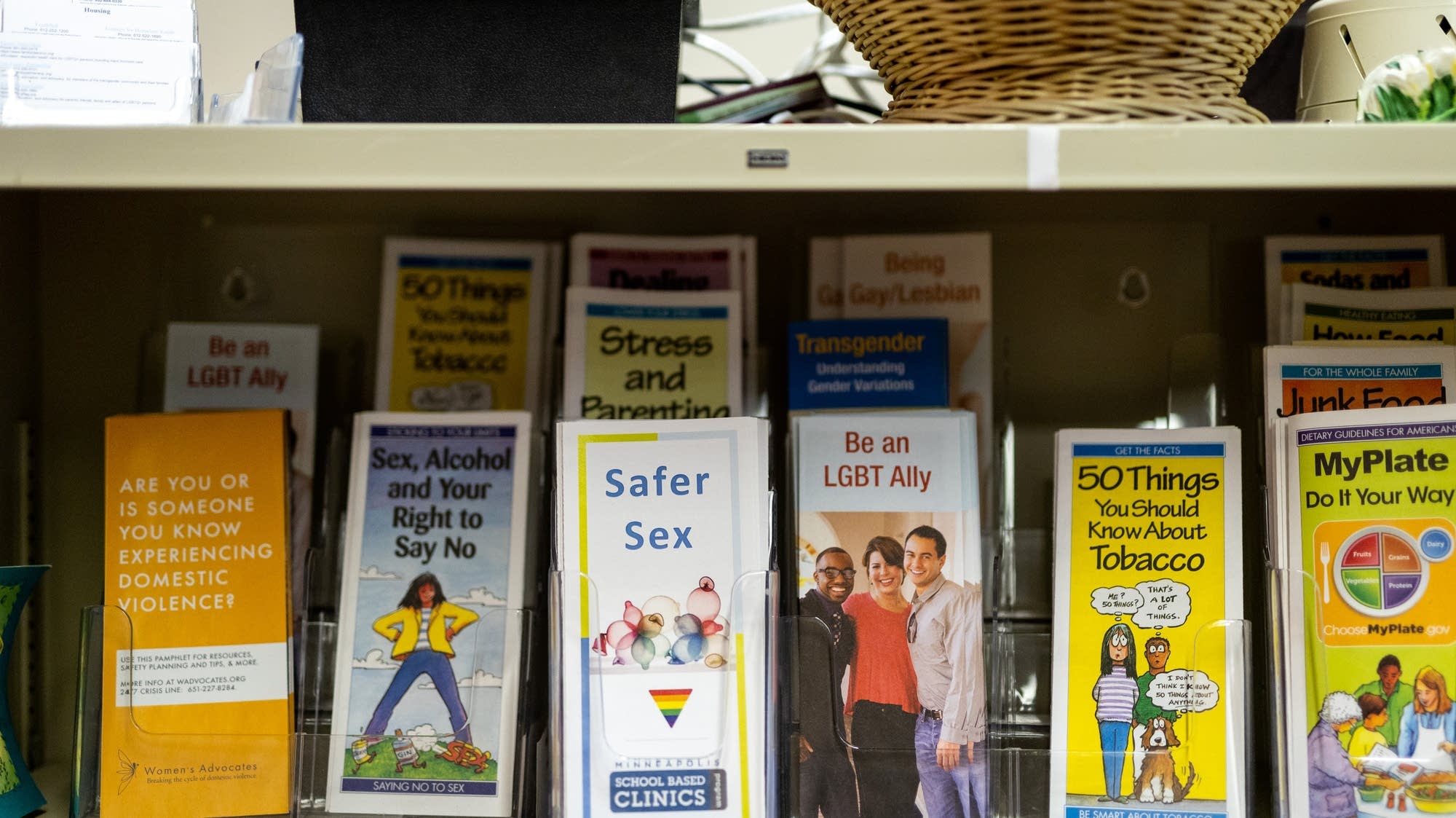
On Monday, September 28, 2026, Minnesota's Chief Administrative Law Judge approved the Minnesota Department of Education's revised K-12 health standards rule. Minnesota has never had statewide health standards, and MPR News reports it was one of only two states without them. The standards could take effect as early as the 2028-29 school year. They cover mental and emotional health, human growth and development, child abuse prevention, nutrition, sexual health, media literacy, and drug and alcohol prevention, with grade-specific benchmarks such as identifying how sexually transmitted infections can be treated.
Why It Matters
This is the opposite of Alabama's SB209, which took effect October 1 and limits classroom sex ed to "sexual risk avoidance" and bans contraception referrals. Over one week, two states moved in opposite directions, and the patchwork of state rules widened again. For sex-ed platforms, curriculum publishers and the youth-facing sexual health apps we track, a statewide benchmark set in a state of 5.8 million creates a defined market for compliant materials and teacher training. The 2028-29 start date gives vendors a two-year runway. The opt-out and local-curriculum provisions mean what students actually learn will still vary by district.The rule nearly failed on procedure. In July, Chief Administrative Judge Jessica Palmer-Denig rejected the first version because MDE had not given lawmakers adequate notice or published cost information; she called the cost omission a "harmless error." MDE filed for reconsideration on September 21, and the judge accepted its amendments a week later. A committee of parents, teachers, students and community members drafted the standards over about two years. Parents can still opt children out if they arrange alternative instruction, and districts still choose their own curricula.
House DFL education chairs Cheryl Youakim and Sydney Jordan praised the ruling, saying the standards came out of "the standard two-year process that included input from licensed teachers, health professionals, parents of school-aged-children, business leaders, students from the Minnesota Youth Council." Jordan has twice introduced comprehensive sexual-health education bills that went nowhere. Rep. Peggy Bennett (R-Albert Lea), who in 2024 introduced a bill to repeal future standards, told MPR she worries they will be a "burden" on teachers. Meg Bartlett-Chase of Honest Sex Ed Minnesota called it "a huge moment." SIECUS now grades Minnesota's sexual health education a "C," up from an "F" in 2024.
Sources
- For the first time, Minnesota has K-12 health standards. Here's what to know — MPR News
- House DFL Education chairs applaud ruling on proposed health standards rule — Minnesota House of Representatives
- Minnesota has new K-12 academic health standards. What will they look like in the classroom? — MPR News
Update — 2026-10-04
Initial entry — story first created.