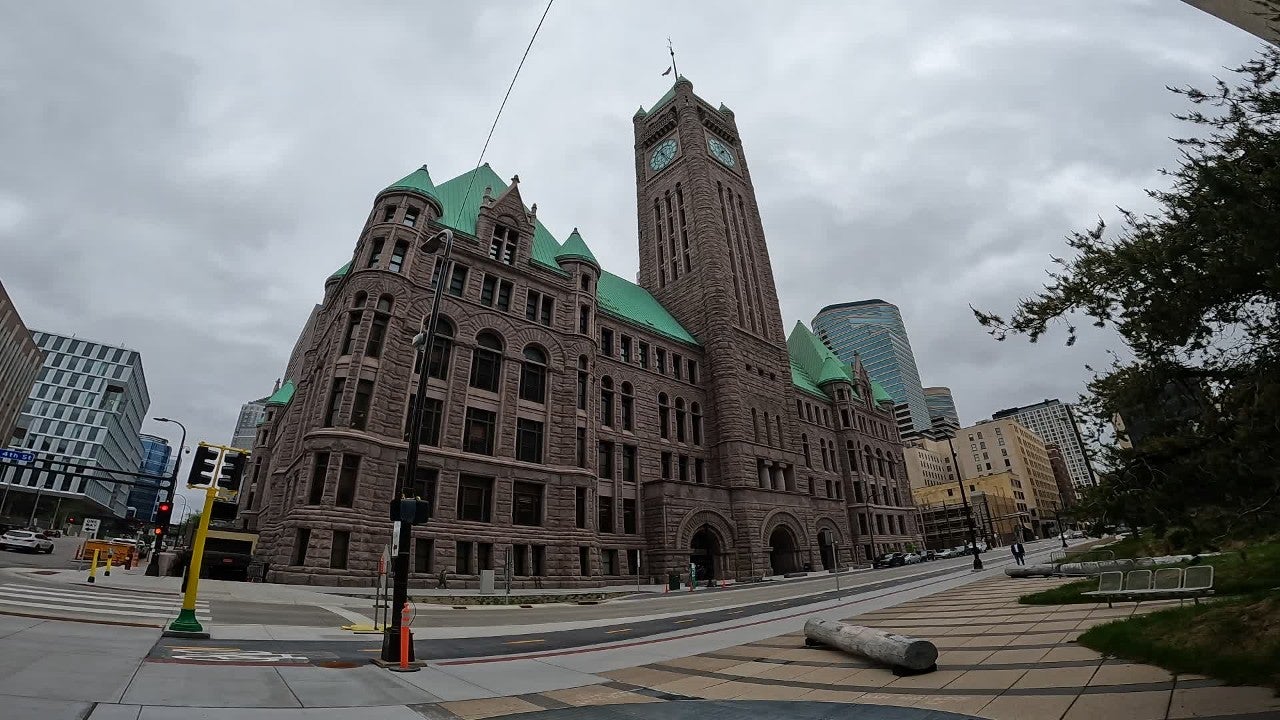
In early April 2026, the Minneapolis City Council introduced a package of four ordinances that would legalize and regulate adult bathhouses and sex venues for the first time since the city's last bathhouse closed in 1988 — one day before an ordinance banning them took effect. The proposed framework would create a licensing system for establishments where "sexual activity between consenting adults may be facilitated," update zoning regulations, revise health and sanitation codes, and add exceptions to existing indecency laws. On April 9, 2026, the council voted to refer the package to staff for further research before proceeding to a formal vote. As of April 15, no final decision has been made, but the ordinances remain alive.
Why It Matters
Minneapolis is the first major U.S. city in decades to seriously move toward legalizing adult sex venues rather than simply not enforcing existing bans. If the ordinances pass, Minneapolis would join San Francisco as one of the few U.S. cities with a formal regulatory framework for consenting-adult commercial sex spaces. For the sex tech and sexual wellness industry, the policy development signals continued destigmatization of commercial adult spaces — a cultural environment that benefits businesses across the category. The reference to San Francisco's model (which includes mandatory condom availability, health inspections, and STI resource requirements) also frames this as a public health policy, not merely a morality debate — a framing shift that tends to be more durable in municipal policy.The historical backdrop matters: Minneapolis had a thriving bathhouse scene through the 1970s, with three establishments serving as central social gathering spaces for gay men. The combination of a 1979 police raid on the Locker Room Baths (described by historians as "the biggest adult bathhouse raid in U.S. history"), escalating AIDS crisis fears, and city gentrification pressure drove the closures. The city's openly gay Council Member Brian Coyle ultimately voted for the 1988 ban despite earlier opposition — a vote the city is now reconsidering through an explicitly LGBTQ+ rights frame. Council Member Chavez stated at the April meeting that "LGBTQIA+ gathering spaces, including bathhouses, have long been targeted by criminalization and policing, and our communities have paid a devastating price for that." Council President Payne invoked San Francisco's regulatory model — which allows bathhouses with extensive health and safety standards — as the template Minneapolis is considering.
The four proposed ordinances cover: (1) a new city code chapter establishing licensing and business regulations for adult sex venues; (2) amendments to zoning code to update definitions for sexually oriented uses and remove "stigmatizing language"; (3) amendments to health and sanitation code; and (4) exceptions to miscellaneous offense code for licensed establishments. Critically, the ordinances include public health infrastructure: sex parties are already occurring in Minneapolis without any regulatory oversight, and the argument from proponents is that licensing creates a framework for STI prevention, safety checks, and accountability that the underground alternative lacks entirely.
Sources
- Adult bathhouse, sex venue ordinances in Minneapolis on hold for more research — KSTP
- Minneapolis city leaders to consider bathhouses that allow sexual activity — Star Tribune
- How police and panic shut down adult bathhouses in Minneapolis for nearly four decades — MPR News
Update — 2026-04-15
Initial entry — story first created.