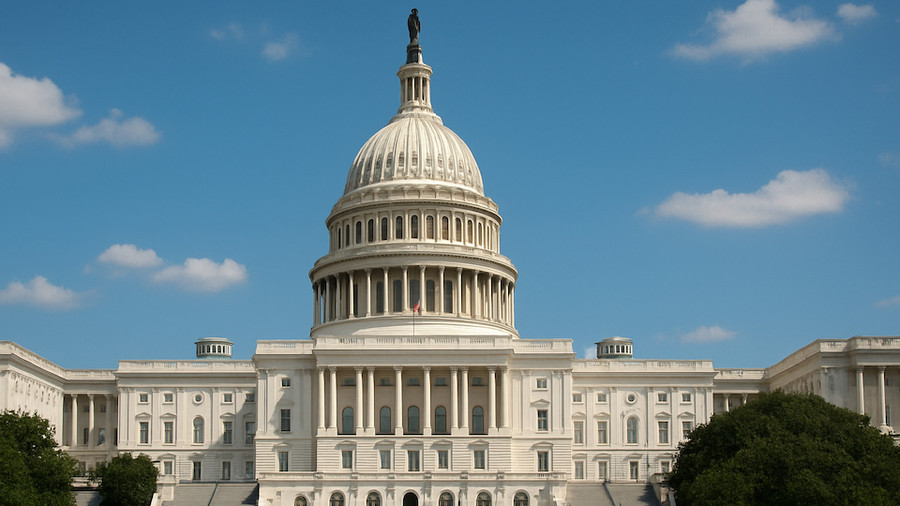
On Thursday, July 23, 2026, Sen. Mike Lee (R-Utah) introduced the Preventing Rampant Online Technological Exploitation and Criminal Trafficking (PROTECT) Act of 2026 — S. 5129 — legislation that would impose sweeping new federal age-and-consent verification requirements on any online platform hosting sexual content. The bill closely mirrors North Carolina's HB 805, enacted in 2025, and is a revival of Lee's own failed 2024 PROTECT Act.
Why It Matters
2026 has been the year state age-verification law went federal-curious, and this is the most aggressive attempt yet — not because it targets porn sites, which already comply with 2257 and have spent two years building AV infrastructure, but because it would nationalize a compliance burden that the general-purpose internet has never carried. Per-act written consent with AG-approved forms is a documentary standard no user-generated platform currently operates anywhere near, and the revocable-consent provision creates a live contractual instability that would ripple through performer agreements, licensing deals, and platform archives. For sex tech operators the read is twofold. First, the compliance moat argument keeps strengthening: the established adult industry increasingly benefits from rules that are trivial for it and existential for everyone else — which is precisely why FSC's response is more shrug than alarm. Second, the enforcement math is dubious. Applying this to X, Reddit, and Telegram at scale would be, as AVN put it, "nearly impossible and costly," which means the practical outcome of passage would likely be selective enforcement and defensive over-removal of sexual content by mainstream platforms — the same chilling dynamic FOSTA-SESTA produced. Bills like this rarely pass in their introduced form; they shape what platforms do preemptively. Watch for social platforms quietly tightening sexual-content policies well before any vote.The mechanics go well beyond existing federal law. Section 2257 of the U.S. Code already requires producers of sexually explicit content to keep government-ID-verified age records for every performer. The PROTECT Act would layer on a consent regime: explicit written consent for each individual sexual act a performer engages in during production, plus separate and detailed consent for distribution — specifying the geographic area, the medium, and the duration for which the person consents. Consent forms would have to be created or approved by the U.S. Attorney General, and anyone appearing in adult content could withdraw consent at any time. When North Carolina enacted a similar withdrawal provision, industry stakeholders warned it effectively invalidated model contracts in the state.
"Pornography sites need to do more to prevent the rampant child exploitation that is occurring on their platforms," Lee said in announcing the bill. "This bill will verify the ages and consent of the people appearing in explicit content — stopping abusive material from ever getting uploaded in the first place."
The definitional scope is where the bill gets genuinely broad. "Covered platforms" include any website, online service, or application that "primarily provides a forum for user-generated content" — a category that plainly captures tube sites but also, on its face, mainstream social platforms. Free Speech Coalition Director of Public Policy Mike Stabile told XBIZ the impact would land hardest outside the adult industry: "It's definitely aimed at adult sites, but I think the biggest impact would be on social media. Despite the senator's heated language, our industry already largely complies with the major provisions of the bill. We already verify age and consent — and have for years. As with Arizona's HB 2133 earlier this year, the majority of the impact would be felt by social media platforms like X, Reddit, Discord and Telegram, forums like 4chan and any service that allows for the distribution of even non-explicit sexual material, like YouTube."
Sources
- New 'PROTECT Act' Would Make North Carolina Rules for Adult Sites Federal Law — XBIZ
- Sen. Mike Lee Proposes Overhaul to Federal Record-Keeping Rules — AVN
Update — 2026-07-28
Initial entry — story first created.