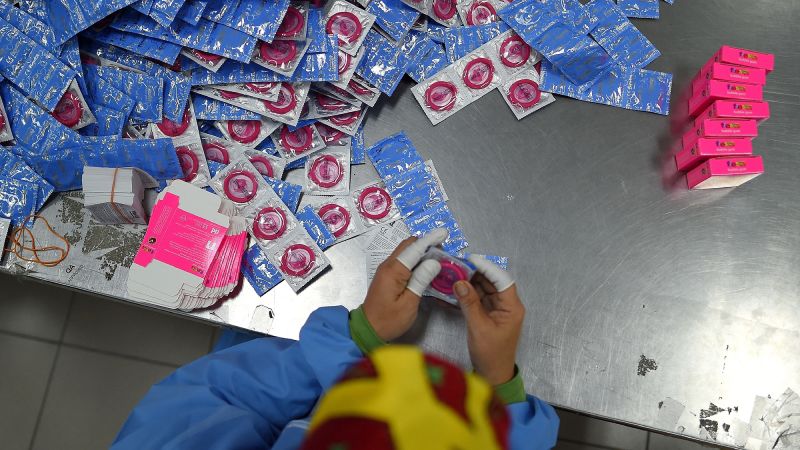
On April 21, 2026, Karex Berhad — the Malaysian manufacturer that produces roughly five billion condoms a year, equal to about 20% of the world's supply — warned in a Reuters interview that it may be forced to raise prices by 20% to 30% because of supply chain disruptions caused by the ongoing Iran war. Karex CEO Goh Miah Kiat cited a 100% price increase in petroleum-derived nitrile latex, choking material supply through the Strait of Hormuz, and freight delays that have doubled shipment times to Europe and the United States.
Why It Matters
Condoms are one of the rare sexual wellness categories where a single manufacturer's pricing decisions move the whole market. With 20% of global supply concentrated in one Malaysian operation, Karex's price hikes will ripple through every condom buyer — from Walmart shoppers to Title X clinics. For sex tech companies, the pricing pressure is a reminder that the sexual wellness category remains physically anchored in a small number of factories with concentrated geopolitical exposure. For public health, a 25% retail price increase on barrier contraception during an STI surge is a near-textbook negative public-health outcome.Karex manufactures private-label and branded condoms for Durex, Trojan, and OneCondoms, supplying retailers and government health programs across more than 140 countries. Goh told Reuters that since hostilities began in late February 2026, Karex's costs have climbed for synthetic rubber, nitrile, packaging materials including aluminum foil, and silicone oil used in lubricants. Shipments that previously took one month from Malaysia to Europe and the U.S. now take roughly two months, and some vessels remain stuck at sea.
The pricing warning lands at the same moment U.S. demand has risen sharply — Karex told Reuters demand has grown approximately 30% year-over-year in 2026, partly as a function of post-Roe contraceptive substitution and partly as STI awareness campaigns drive condom uptake. Karex says it has enough material stocks to maintain supply through the next several months, but absent a Strait of Hormuz resolution, retail prices will move. Several analyst notes (Bloomberg, CBS, Phillyvoice) project U.S. condom retail prices could rise 15% to 25% by Q3 2026.
The story has also moved the political conversation. Late-night coverage from The Daily Show framed condom pricing as a downstream consequence of the Iran war that voters had not anticipated. In China, "condom prices" briefly trended on Weibo on April 24 after Taipei Times reported on Karex's warning. The shortage compounds existing pressure on the contraceptive supply chain — the FDA has tracked rolling shortages of HRT and oral contraceptives since 2025.
Sources
- CNN Business: Condom maker may raise prices because of Iran war
- CBS News: Condom maker warns prices may rise due to Iran war supply disruptions
- Euronews: World's largest condom maker warns prices could rise as Iran war impacts supply chains
- The Hill: Global condom prices to rise amid Strait of Hormuz shipping delays
Update — 2026-04-25
Initial entry — story first created.
Update — 2026-05-16
The price hikes Karex warned about three weeks ago are now being implemented. On May 12, 2026, The Star (Malaysia) reported that Karex is phasing in 20%–25% selling-price increases on existing products to offset margin pressure from the war-driven cost inflation, with the company telling analysts the rollout is being staged to manage customer acceptance rather than imposing the full 30% in one shot. CIMB Research issued a research note the same week projecting Karex will remain loss-making through the second half of FY2026 before returning to profitability in FY2027 — the first analyst forecast formally pricing in the war's earnings impact. Karex has three-to-six months of input inventory cover depending on input material, providing a near-term buffer as price actions catch up with FX and cost volatility.
The phasing matters for U.S. retail. Several large condom buyers (Walgreens, CVS, Target private-label) negotiate prices on rolling 6-to-12-month contracts; the price changes Karex is implementing now will hit shelf prices on a lag, with most analysts now projecting U.S. retail condom prices to rise 15%–25% by Q3 2026 (Q4 at the latest). Karex declined to disclose specific brand impact, but Durex, Trojan, and OneCondoms — all customers — are the most exposed.
Layered atop the Karex price increases, the second Trump administration's April 29 elimination of US international family planning aid (covered in trump-foreign-aid-contraception-cuts) removes the largest single non-commercial buyer of condoms for the developing world. Karex's USAID-channel revenue had historically smoothed pricing for commercial markets; without that volume, the company's margin recovery path leans more heavily on commercial price increases, accelerating the pass-through to U.S. and European retail.