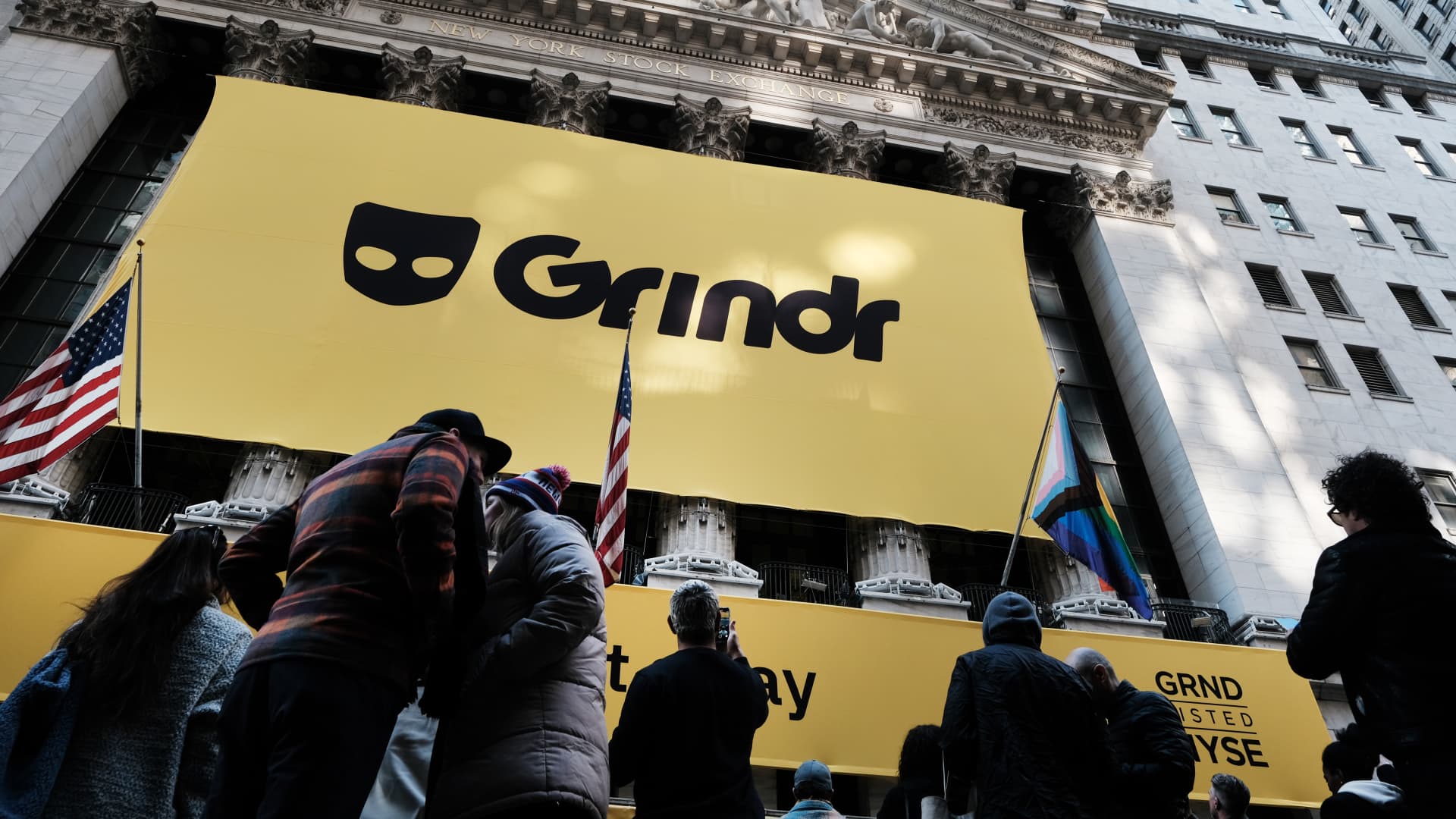
On September 30, 2026, Grindr announced an agreement to buy PurposeMed Inc., the Calgary-founded parent of HIV-prevention telehealth provider Freddie. The upfront price is $250 million: $190 million in cash and $60 million in Grindr common stock. Another $70 million in cash is possible, tied to Freddie's 2027 performance and payable in 2028. CNBC reports the deal is expected to close in the fourth quarter and is Grindr's first major acquisition since the company was founded in 2009. Grindr didn't wait for the close. A company blog post the same day said US and Canadian users can now get free or low-cost PrEP care through Freddie from the app's Health tab, including clinician visits, testing and discreet medication delivery.
Why It Matters
This is the largest sexual-health telehealth acquisition by a consumer platform this year. It also makes clear what Grindr's September promise to put PrEP "inside the app" actually meant: Grindr intends to own the clinical and pharmacy layer outright, not refer users to a partner. The economic case is customer acquisition. Standalone telehealth brands pay heavily for patients on Meta and Google, often in ad categories that restrict sexual-health marketing. Grindr already has the audience at the moment of risk and can send users to a Health tab without paying for the click. If that cost advantage holds, Grindr becomes a direct competitor to the PrEP and ED businesses at Hims & Hers, Ro and MISTR. Woodwork already sells performance medication. Two cautions for investors. First, the $400-a-month revenue figure is gross pharmacy and care revenue, much of which is reimbursed drug cost. Margin will depend on the payer mix and the dispensing spread, not the headline number, so November's capital plan is the figure to watch. Second, there is trust risk. As we've reported, Grindr agreed in September to pay £26 million to settle UK litigation over sharing users' HIV-status data. A dating app that now also holds prescriptions, lab results and pharmacy records will be judged on how strictly those records are separated from its ad and matching systems, and regulators will ask the same question.Freddie was founded in Canada in 2020 and entered the US in 2024. It now operates in all 50 states and Washington, D.C., and has served more than 55,000 patients across both countries. According to HIT Consultant's summary of the announcement, Freddie projects 2026 revenue above $80 million and adjusted EBITDA above $10 million. Grindr says the deal will add to EBITDA dollars immediately, but the cost of scaling the US operation will dilute blended margins at first. Grindr will combine Freddie with Woodwork, the men's-health and performance-medication line it launched in 2025, under a new Grindr Health division. PurposeMed is being split up as part of the deal. BetaKit and Calgary.tech report that its ADHD clinic Frida and gender-affirming care service Foria will become independent companies. Grindr takes Freddie and the Affirming Care Pharmacy business. PurposeMed had been backed by True North Fund, BDC Capital and Panache Ventures.
CEO George Arison gave CNBC the investor pitch directly: "Now we have the next business line that we believe will be as profitable as the core business, and the same size, if not bigger." Grindr expects the combined US telehealth and pharmacy business to bring in more than $400 a month per active patient, which is over $4,800 a year for someone who stays in care. Arison put the business at roughly $240 million in annual revenue once it reaches 50,000 US patients. Grindr estimates about 400,000 US users already list PrEP on their profiles and that more than two million more could benefit. Arison said building this capability in-house would have taken two to three years, because "you need to build out pharmacies, and you need to have clinicians." The company says it will tell shareholders in November how much it plans to invest.
The deal also fits a policy shift. On September 28, Governor Newsom signed California SB 1023, which requires health insurers to cover long-acting injectable PrEP through both medical and outpatient prescription benefits. Injectables were billed awkwardly under the old rules, and the law takes effect January 1. For a PrEP provider that now owns its own pharmacy, a clearer reimbursement path for injectables is good timing.
Sources
- Grindr expands beyond dating with $250 million telehealth acquisition of PurposeMed — CNBC
- M&A: Grindr Acquires PurposeMed for $250M to Build Full-Stack "Grindr Health" Telehealth Rail — HIT Consultant
- Making PrEP Easier to Access Through Grindr — Grindr
- Telehealth company Freddie acquired by Grindr for $250 million USD — BetaKit
- PurposeMed to Be Acquired by Grindr in US$250 Million Deal — Calgary.Tech
- Newsom Signs New Protections for LGBTQ, Reproductive Rights — KQED
- Laird Goes 17 for 17 as Governor Newsom Signs Full 2026 Legislative Package (SB 1023) — Sen. John Laird
Update — 2026-10-02
Initial entry — story first created.