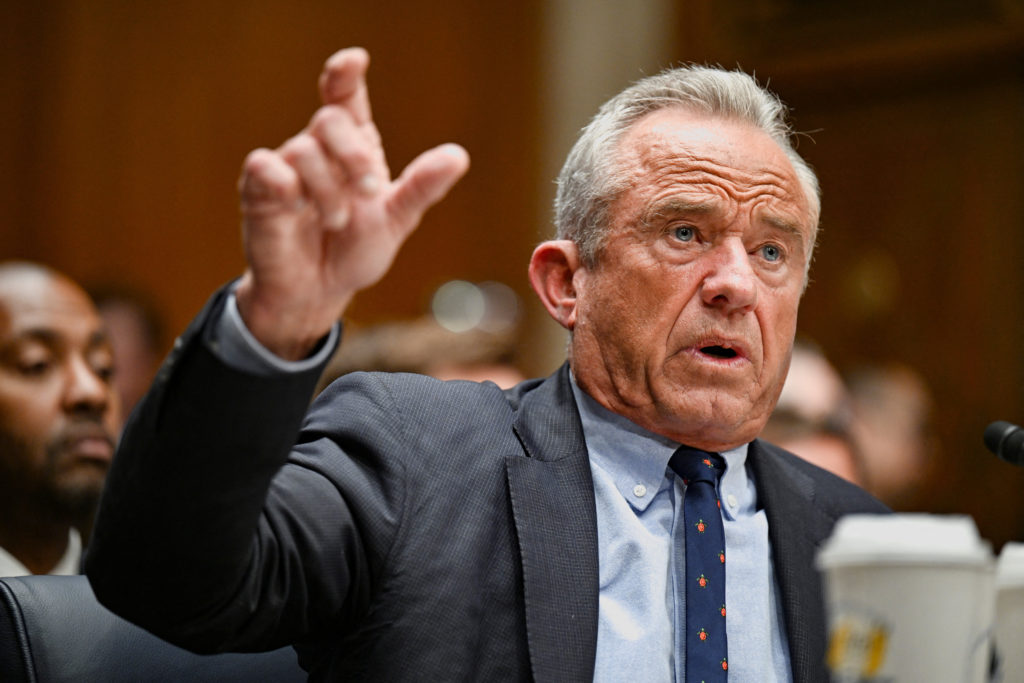
On June 29, 2026, the FDA released the participant list for a two-day July advisory meeting that will reconsider the safety and effectiveness of several popular peptide injections — and, as first reported by the Associated Press (via PBS NewsHour) and Reuters, the new panel is dominated by doctors, pharmacists and clinic operators with deep financial ties to the very peptides under review. Previous FDA compounding panels on the topic were composed largely of academics from Duke, Harvard and Johns Hopkins, and they had repeatedly voted the ingredients too risky for patients. The reconstituted group instead includes more than a half-dozen members who prescribe, produce or promote peptides — a striking reversal that critics say is engineered to reach the opposite conclusion.
Why It Matters
The peptide fight is a proxy war over the future of compounded men's-wellness medicine — the commercial engine behind much of the male sexual-health boom. If Kennedy's reshaped panel opens the door to broader peptide access, telehealth and clinic operators gain a lucrative, lightly-evidenced product category to bundle with TRT and ED care; if FDA scientists prevail, the compounded-peptide trade faces enforcement pressure. Either way, the visible clash between career reviewers and conflicted appointees is a credibility test for how sexual- and hormonal-health products get vetted in the MAHA era, and a live risk factor for every platform betting on the men's-optimization market.The substances at issue — including BPC-157 and TB-500, two of seven peptides set for the July review — are marketed online and through wellness clinics for muscle-building, injury healing and anti-aging, with little human evidence behind the claims. Both are classified as doping agents by international sports authorities, and the FDA has spent years warning consumers about injecting them. Sellers frequently skirt regulation by labeling products "for research use only." The push to loosen access is a signature project of the Make America Healthy Again movement aligned with Health Secretary Robert F. Kennedy Jr.; ahead of the meeting, FDA's own scientists publicly warned against expanded access, setting up a rare open split between career reviewers and politically appointed panelists.
The conflicts are not subtle. Per AP's reporting, panelist Dr. Haleem Mohammed runs Florida clinics (part of the Gameday Men's Health chain) selling peptide, vitamin, testosterone and weight-loss injections, with a website conceding its compounded medications "are not FDA-approved." Another member, Dr. Gabriel Alizaidy, charges $500 for "peptide and hormone" consultations and promotes BPC-157 and GHK-Cu to social-media followers. A third, Tennessee state senator and pharmacist Bobby Harshbarger, works at his family's compounding pharmacy; his mother, Rep. Diana Harshbarger, previously urged Kennedy to relax FDA peptide restrictions.
Why this sits on the sexual-health beat: peptides are increasingly cross-sold through the same men's-wellness and TRT telehealth channels that anchor the male sexual-health segment — the Gameday-style clinics bundling testosterone, weight-loss drugs and "longevity" peptides in one visit. And the marquee sexual-medicine peptide, PT-141 (bremelanotide) for low libido, sits squarely in the compounding crosshairs this regime is reshaping. A regulatory green light for looser peptide access would hand men's-health platforms a fast-growing new product line; a crackdown would squeeze it.
Sources
- FDA panel on peptides will include experts who promote the unproven chemicals favored by RFK Jr. (AP via PBS NewsHour)
- FDA to weigh easing limits on unproven peptides favored by RFK Jr. and MAHA supporters (AP via PBS NewsHour)
- HIMS Stock Slips After FDA Staff Questions Safety Of Popular Peptides (Stocktwits)
Update — 2026-07-05
Initial entry — story first created.
Update — 2026-10-16
The peptide opening moves to the White House, and Hims stock jumps. On October 15, 2026, an Office of Management and Budget posting showed that HHS and the FDA had submitted an "Interim Access Policy for Compounding Using Certain Peptides" for White House review. OMB received it on October 14, according to Stocktwits. The AP, citing two people familiar with the plan, reports that it would let specialty pharmacies temporarily compound some of the most popular peptides, including BPC-157, under enforcement discretion: an assurance that the FDA won't take action against them, not a formal change to the compounding list. A permanent listing would still need rulemaking, which could take years. The filing itself gives no details or timetable.
This follows the panel this story covered in July. The AP notes that the external advisers recommended dropping restrictions on six of seven peptides, against the conclusion of FDA staff scientists that none had been studied enough to establish safety and effectiveness. The FDA had previously put BPC-157 and more than a dozen other injectable peptides on its too-risky-to-compound list, citing contamination, allergic reactions and possible tumor growth. Wellness clinic operator Brigham Buhler, who sells peptides, called the move "huge" and "MEDICAL FREEDOM" on X.
Market reaction. Hims & Hers (HIMS) closed up about 6% on October 15, ending a three-day losing streak (Seeking Alpha; Stocktwits). Stocktwits cites a Leerink Partners estimate that the seven peptides reviewed in July could support a $2.2B annual telehealth market, with Hims capturing about 20%. CEO Andrew Dudum has said the company has "started validation and stability testing on APIs for those peptides" at its Menlo Park facility. On the same day Hims published a newsroom post by Brian K. Williams, MD, stressing that every prescriber on its platform belongs to an independent provider group and that Hims does not "incentivize providers for the number of prescriptions they write." That post comes while the company faces the FTC privacy-and-billing suit and a securities class action alleging, among other things, that it charged customers almost immediately after intake despite promising a consultation with a provider (see hims-securities-class-action-board-probe).
What changed: In July this was a stacked advisory panel. It is now a policy document at OMB. For men's-health telehealth, peptides are the next cash-pay category after compounded GLP-1s and compounded ED combinations. If the policy rests on enforcement discretion rather than a rule, though, any business built on it can be undone by the next administration, or by the next contamination event, without notice-and-comment.
New Sources
- Trump administration advances plan for peptide drugs favored by RFK Jr. — Associated Press via WHIO (Oct 15, 2026)
- HIMS Stock Snaps 3-Day Slump On Peptide Hopes: Trump Administration Reviews Plan That Could Unlock $2.2B Market — Stocktwits (Oct 15, 2026)
- Our Commitment to Independent, Clinician-Led Care — Hims & Hers Newsroom (Oct 15, 2026)