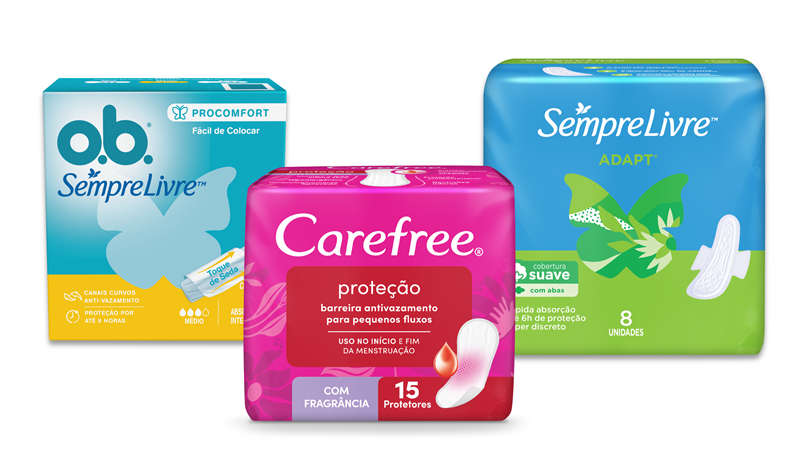
On August 20, 2026, Swedish hygiene and health group Essity announced an agreement to acquire Kenvue's feminine care business in Brazil for $284 million. The deal transfers the Carefree, Sempre Livre, and o.b. period-care brands — which together booked more than BRL 800 million (roughly $154 million) in net sales over a trailing one-year period — plus the associated manufacturing operations.
Why It Matters
Femcare M&A is where the money in women's intimate health actually moves — $284 million here and $340 million in February, versus the low-single-digit-million rounds that dominate femtech startup funding headlines. The consolidation trend matters for every emerging brand trying to get into a Brazilian or American drugstore: the buyer at the other end of the table is now a single Swedish multinational rather than three competing owners. For investors tracking the intimate wellness category, the Essity roll-up is the clearest signal yet that legacy hygiene conglomerates, not VC-backed DTC brands, are the consolidating force in this space.This is Essity's second femcare land-grab from Kenvue in seven months. In February 2026 the company paid $340 million for the North American Carefree, Stayfree, and o.b. businesses, which it acquired from Edgewell Personal Care. The Brazil transaction slots those brands into an existing Essity portfolio that already includes Libresse, Bodyform, Nana, Saba, Libra, and Nosotras. CEO Ulrika Kolsrud framed it as consolidating a leading position in what she described as the world's fourth-largest feminine care market, where Essity already leads in incontinence products.
The timing is dictated by a much larger piece of corporate machinery. Closing is expected by Q2 2027 and is conditioned on both Brazilian regulatory approval and the completion of Kimberly-Clark's $48.7 billion acquisition of Kenvue. In other words, Kenvue is shedding femcare assets ahead of being absorbed — and Essity is the buyer positioned to hoover up the divestitures that antitrust review and portfolio rationalization shake loose.
For the sexual wellness and intimate-care sector, the read-through is about who owns shelf space. Period care is the anchor category in the intimate aisle; the brands that own it set the terms for adjacency — intimate washes, lubricants, pelvic health, menopause products. A consolidated Essity with Carefree and o.b. in both North America and Brazil has substantially more leverage with retailers than the fragmented ownership structure of two years ago, and considerably more room to extend into higher-margin intimate wellness SKUs that femtech startups have been trying to build direct-to-consumer.
Sources
- Essity To Acquire Kenvue's Brazil Feminine Care Portfolio For $284M — Femtech Insider
- Essity buys Kenvue Brazilian feminine care business in US$284M deal — Personal Care Insights
- Essity to Acquire Kenvue's Feminine Care Business in Brazil for $284 Million — PaperAge
Update — 2026-08-21
Initial entry — story first created.
Update — 2026-10-18
Brussels clears the deal that Essity's closing depends on. On October 13, 2026, the European Commission approved Kimberly-Clark's acquisition of Kenvue, valued at $48.7 billion per Premium Beauty News and reported elsewhere at about US$40 billion. Approval is conditional on Kimberly-Clark selling its own tampon and feminine-hygiene brands in the European Economic Area: Kotex (including the Lidie sub-brand), Camelia and Record. The Commission found that the deal as first notified would have reduced competition in tampon supply, especially in Czechia, Estonia and Slovakia. It approved Turkish consumer-goods company Dilek as buyer of the divested brands. "Kimberly-Clark's commitment to divest its feminine hygiene brands, including Kotex, Camelia and Record, will preserve competition, choice and affordable prices for women," said EU competition chief Teresa Ribera.
What changed: Our August story noted that Essity's $284M purchase of Kenvue's Brazilian femcare business (Carefree, Sempre Livre, o.b.) depended on the Kimberly-Clark/Kenvue deal closing. EU approval removes one of the biggest regulatory obstacles to that deal. It also shows how femcare is being split up across regions. In the Americas, Kenvue's period brands go to Essity. In Europe, competition regulators made Kimberly-Clark give up its own tampon and pad brands, and those go to Dilek Gıda Üretim, a Turkish consumer-goods distributor that the Commission judged to have the resources and expertise to run them. Femcare is turning into a set of regional carve-outs that consumer-health conglomerates sell off to get bigger deals approved. That opens room for specialist buyers, from Essity to Dilek, to pick up established brands. Essity's Brazil purchase still needs Brazilian approval.