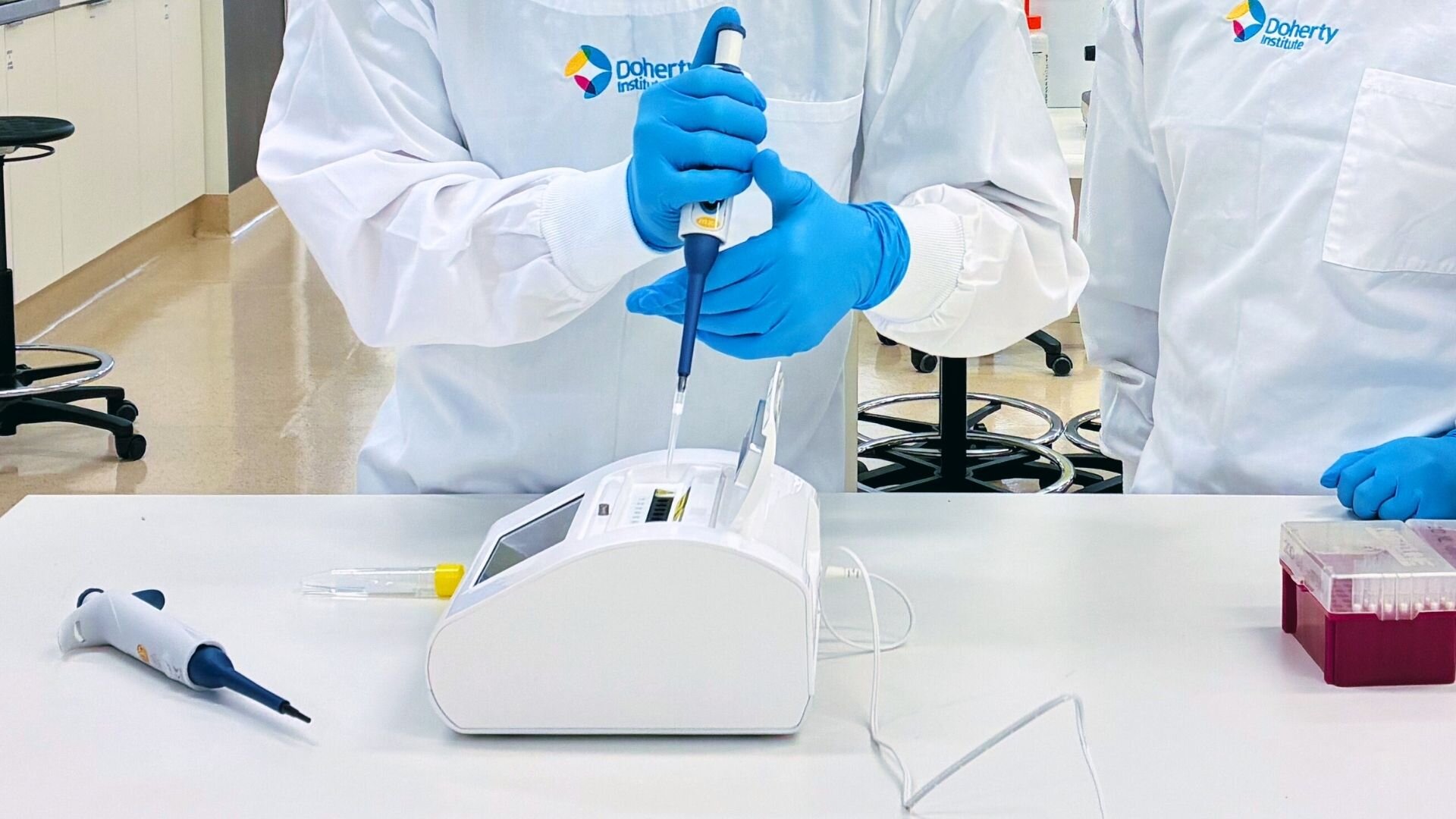
On March 3, 2026, researchers at the Peter Doherty Institute for Infection and Immunity at the University of Melbourne published a landmark study in The Lancet Microbe describing the world's first portable point-of-care CRISPR-based test that simultaneously detects four major sexually transmitted infections — syphilis, herpes simplex virus (HSV), chlamydia, and gonorrhea — plus antibiotic-resistance markers in gonorrhea, all in under one hour without laboratory infrastructure.
Why It Matters
With over one million new curable STI cases occurring daily worldwide, the gap between infection and diagnosis is a major driver of transmission. A portable, lab-free test that screens for four infections simultaneously could fundamentally change sexual health screening — from pharmacy counters to festival medical tents to rural clinics. For the sexual wellness industry, faster and easier STI testing lowers barriers to sexual health maintenance, normalizing testing as routine self-care rather than a clinical ordeal. This aligns with the broader destigmatization trend driving the sector.The test was validated using 900 clinical samples, making it the largest CRISPR-based STI validation study conducted globally. Results showed 97% to 100% accuracy in correctly identifying negative results compared against gold-standard PCR laboratory testing. The device supports self-collected samples, eliminating the need for clinical sample collection and making it particularly valuable for underserved communities and low-resource settings.
Lead researchers Matthew O'Neill and Dr. Shivani Pasricha developed the platform to address the urgent need for rapid, decentralized STI diagnostics. Current standard-of-care testing typically requires laboratory processing with multi-day turnaround times, during which patients may unknowingly transmit infections. The portable device's ability to detect antibiotic-resistant gonorrhea strains is especially significant given the WHO's classification of drug-resistant gonorrhea as a high-priority pathogen. Implementation trials are planned, with a target for routine clinical use within five years.
Sources
- Portable CRISPR-based test detects STIs including syphilis — Medical Xpress
- Low et al., The Lancet Microbe, DOI: 10.1016/j.lanmic.2025.101289
Update — 2026-03-28
Initial entry — story first created.