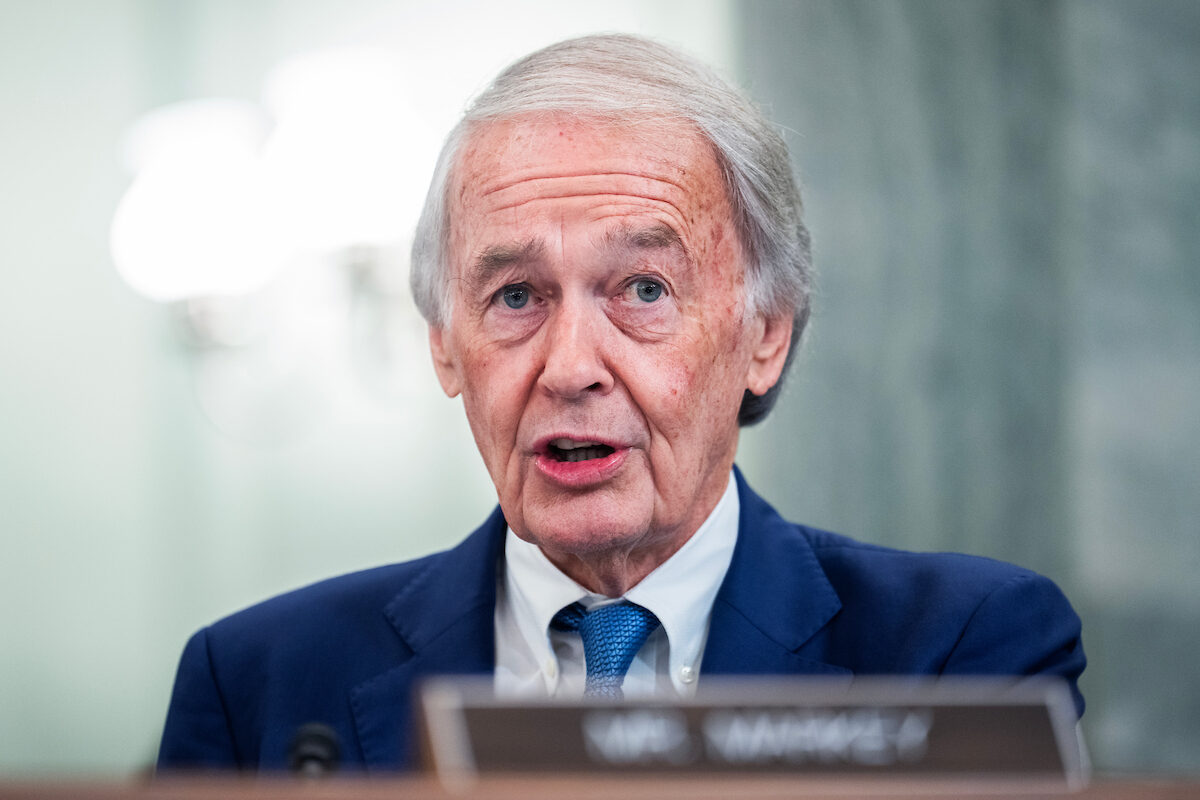
On March 6, 2026, the U.S. Senate passed COPPA 2.0 — the Children and Teens' Online Privacy Protection Act — by unanimous consent, sponsored by Sen. Edward J. Markey (D-Mass.). The bill updates the original 1998 children's privacy law by extending protections to minors under 17 (up from the current under-13 threshold), prohibiting targeted advertising directed at children and teens, requiring explicit consent from users aged 13-16 before collecting personal information, and introducing an "eraser button" allowing users to delete their personal data.
Why It Matters
For the sex tech and adult content industry, KOSA's age verification mandate for sexual content would codify at the federal level what states like Louisiana, Texas, and Virginia have already enacted — but with nationwide reach and preemption implications. The bill's requirement that platforms "prevent harms" and allow algorithmic opt-outs could reshape how adult content surfaces in recommendation feeds across mainstream platforms. The bipartisan momentum in both chambers suggests some version of children's online safety legislation will reach the President's desk in 2026 — the question is whether the final bill includes the strong duty-of-care standard that privacy advocates want or the industry-friendlier House approach.On the same day, the House Energy and Commerce Committee approved a separate 12-bill package by a 28-24 vote that includes a revised version of the Kids Online Safety Act (KOSA), branded as the Kids Internet and Digital Safety Act. The House version requires platforms to establish parental controls, mandates age verification to access sexual content online, allows minors to opt out of recommendation algorithms, limits stranger contact with minors, and restricts features that cause compulsive use. It creates a tiered system with different standards for smaller versus larger platforms.
The two chambers remain divided on key provisions, however. Democrats oppose the House version's lack of a comprehensive "duty of care" standard that would hold platforms affirmatively responsible for preventing harm. They also argue the House bill's knowledge standard allows companies to claim ignorance about child users, and that broad federal preemption would undermine stronger state-level protections already in force. Additional concerns center on parental controls potentially enabling abuse in unsupportive households.
Sources
- Kids Online Safety Bills Move Forward from Senate, House Panel — Roll Call
- Federal Online Safety Legislation Hits Congress — Davis Wright Tremaine
Update — 2026-03-22
Initial entry — story first created.
Update — 2026-06-25
The KIDS Act package — the omnibus vehicle now carrying a revised KOSA alongside a suite of other online-safety bills — moved closer to a full House vote in late June 2026. On June 22, House Energy and Commerce Republican chair Brett Guthrie and Democratic ranking member Frank Pallone Jr. announced bipartisan compromise language designed to improve the bill's odds after it had cleared committee in March on a party-line vote. "We worked across the aisle for many months and have now found common ground," the two said in a joint statement, signaling a possible breakthrough on the partisan deadlock that had stalled the package.
Crucially for the adult industry, the KIDS Act still folds in an updated version of the SCREEN Act, which would impose nationwide age-verification requirements for adult websites — a federal counterpart to the 26+ state-level AV laws already on the books. Digital-rights groups remain sharply opposed. In a June 25 analysis, the Electronic Frontier Foundation warned that the "sprawling" package uses an "ultra-expedited process" to bundle different age-gating schemes with different standards, and that buried provisions would push online services toward verifying all users' ages and adopting government-directed moderation policies, with knock-on effects for private and encrypted messaging. The EFF cautioned that facing this complexity, "many companies will conclude that the safest option is restrictive age-checking practices across their entire platforms." Despite the compromise, the measure's path through the full House and Senate remains in doubt.
New Sources
- Federal AV Proposal Scores Minor Win in House but Remains in Doubt — XBIZ
- The KIDS Act Would Require Age Checks To Get Online — Electronic Frontier Foundation
Update — 2026-06-28
A June 26 XBIZ "AV Bulletin: Midyear Roundup" mapped the full federal age-verification field heading into the back half of 2026. Per the roundup, about half of all U.S. states now have adult-site AV laws on the books, and three separate federal proposals are in play: the standalone SCREEN Act (introduced February 2025, stalled since December); the KIDS Act, the omnibus that now carries an updated SCREEN Act and may soon reach a House floor vote; and a newly introduced SAFE for Kids Act, floated earlier in June as a federal AV "backup" should the KIDS Act fail. XBIZ reported the KIDS Act faces a steep uphill battle — opposed by some 44 state attorneys general over its social-media provisions and, this week, by a coalition of online-safety organizations — meaning that despite the Guthrie–Pallone compromise, a federal AV mandate is far from a done deal.
New Sources
- AV Bulletin: Midyear Roundup — XBIZ
- House breakthrough on kids online safety faces long odds in Senate — The Hill
Update — 2026-10-03
Stalled until the lame duck. On Wednesday, September 30, 2026, Sen. Rand Paul (R-Ky.) blocked Sen. Richard Blumenthal's (D-Conn.) request to pass the Senate's KOSA (S. 1748) by unanimous consent, according to Biometric Update and Reason. The Senate is holding only pro forma sessions until after the November 3 midterms, so the bill can't move again until legislative business resumes on November 9. "If good intentions created laws, or created good laws, there would be no need for congressional debate," Paul said, arguing that the bill's "unprecedented duty of care" would "inevitably lead" to the suppression of protected speech.
Since our June updates, the two chambers have drifted further apart. The Senate Commerce Committee advanced an amended S. 1748 by voice vote on August 5. It keeps the duty of care, which sponsors Blumenthal and Marsha Blackburn call a red line. The House's KIDS Act (H.R. 7757), passed June 29 with 162 Republicans and 104 Democrats voting yes, replaces that duty with a requirement for "reasonable policies, practices, and procedures." That House package is the one that carries the SCREEN Act's adult-site age-verification language. The 119th Congress ends January 3, 2027. Any bill not enacted by then dies and must be reintroduced.
The age-verification angle: Neither KOSA version formally mandates age verification. But Biometric Update, citing a Congressional Research Service analysis, notes that both bills' obligations depend on whether a platform "knows" a user is a minor (actual knowledge or knowledge "fairly implied" in the Senate bill, "know or should have known" in the House bill). That standard pushes platforms toward age assurance in practice, or toward applying minor protections to everyone. For adult and sexual-wellness platforms, the federal outlook for 2026 is now clearer: no federal AV mandate this year unless the lame duck surprises, and the state patchwork (29 states with AV laws in force) stays the operating reality into 2027.