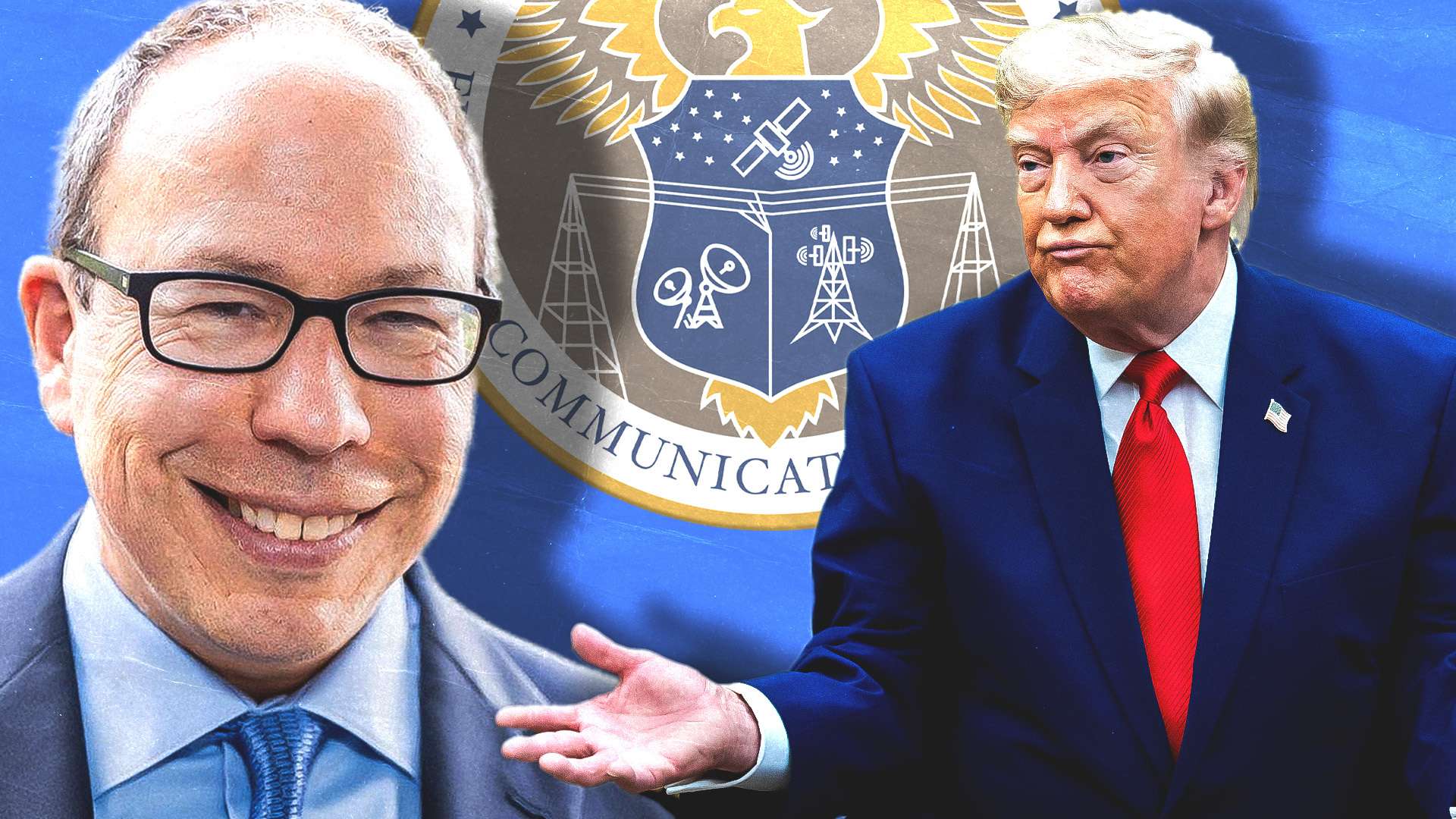
On July 22, 2026, President Trump nominated Adam Candeub — currently general counsel at the Federal Communications Commission — to lead the Justice Department's Antitrust Division as assistant attorney general. The appointment would hand him the department's ongoing cases against Google and Apple. It would also install, at a senior DOJ post, a lawyer who published a Heritage Foundation report on July 6, 2026 arguing for the criminal prosecution of pornography under the modern Comstock Act and state obscenity laws.
Why It Matters
For the pleasure-products and sexual wellness industries, the near-term risk is not prosecution — it is chilling. Payment processors, ad platforms, app stores and retailers all calibrate their sextech policies to perceived legal risk, and they overcorrect. Every time federal obscenity enforcement re-enters the conversation, the compliance departments at Visa, Mastercard, Apple and Meta tighten their internal rules regardless of whether a single case is ever filed. That collateral tightening lands hardest on legitimate, fully compliant sexual wellness businesses that have nothing to do with the content Candeub is targeting. The Section 230 angle compounds it. Weakening the statute gives platforms every incentive to delete more user content rather than carry litigation risk — and sexual wellness content, education, and sex-positive community are always among the first things swept out when a platform decides to be safe rather than sorry. That dynamic played out after FOSTA-SESTA and it would play out again. Note the striking counterpoint in the same news week: on July 24 the Fifth Circuit blocked Texas's content-filtering mandate precisely *because* of Section 230 preemption. The federal courts are currently using Section 230 to limit state content mandates while a prospective DOJ appointee wants to dismantle it. Anyone modeling regulatory risk in this sector should watch which of those two forces moves first.The report, "Restoring Obscenity Regulation in an Internet Age," applauds the Supreme Court's 2025 decision in Free Speech Coalition v. Paxton, which upheld mandatory ID checks for sites carrying material lawmakers deem harmful to minors, and argues the ruling "opens the door both to a reconsideration of the current legal structure governing obscenity and, perhaps, to a return to the regulatory approach of the past." As Reason's Elizabeth Nolan Brown noted in her July 22 write-up, the scope is not limited to hardcore material — Candeub criticizes 20th-century judges who "imagined they had a moral duty to protect James Joyce's Ulysses."
The most operationally alarming passage for the sextech and adult sectors concerns how he proposes keeping material from minors. Rather than document-based ID verification, Candeub has suggested age can be estimated by "simply by analyzing publicly available online information such as your email address or even pictures of your hand movements." Behavioral and biometric age inference at that scale is a surveillance architecture, not a compliance checkbox — and it is notably the exact approach the UK's Ofcom explicitly ruled out for pornography in its first Use of Age Assurance Report this month, on effectiveness grounds.
The antitrust dimension is the second half of the story and the one that connects it to platform policy. In his chapter of the Heritage Foundation's Project 2025, Candeub argued that regulators should reach beyond conventional consumer-welfare analysis toward behavioral theories of harm — among them that "social media makes Americans less happy." He has spent years pressing to weaken Section 230 of the Communications Decency Act. He has also questioned whether the FTC should be permitted to police competition "or even continue to exist."
Nominations are not policy, and an antitrust chief does not personally control obscenity prosecutions, which run through other components of DOJ. But personnel signals priorities, and a Senate confirmation hearing would be the first real forum in which these positions get tested.
Sources
- Trump's New DOJ Nominee Wants To Ban Online Porn and Prosecute Big Tech — Reason
- Adam Candeub's Plan for Section 230, Obscenity, and Your Hands — Reclaim The Net
Update — 2026-07-29
Initial entry — story first created.