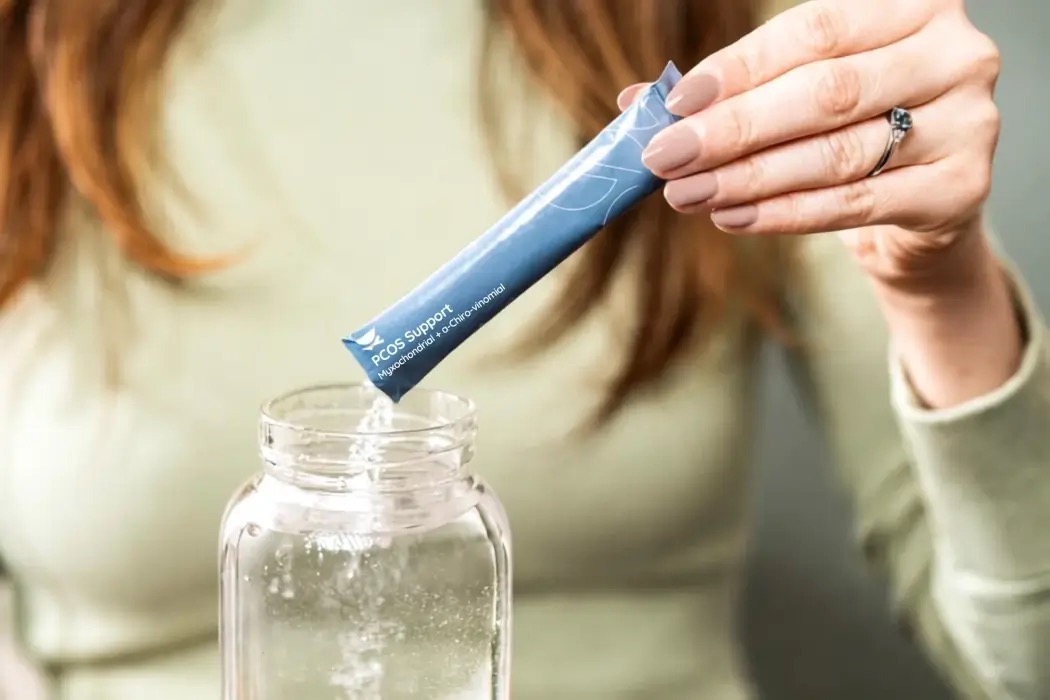
On September 22, 2026, Toronto-based fertility brand Bird&Be announced a $13 million USD (roughly $18.3 million CAD) all-equity Series A co-led by the Business Development Bank of Canada's Thrive Venture Fund and consumer VC BFG Partners, with BAM Ventures, Founder Collective, Rejuvenation Ventures and HSR Ventures participating. CEO Samantha Diamond told BetaKit the round actually closed in August and included a small secondary component.
Why It Matters
Male fertility is the most underbuilt segment in reproductive health, and it is not because the science is thin. Measures of male fertility have declined significantly over the past four decades; the WHO puts infertility at roughly one in six people globally; and Afterglow has covered a steady drumbeat of male-factor research this year, from the Danish body-fat-versus-BMI sperm study to Oxford's work on sperm storage. What's been missing is a consumer business model that can actually reach men, because the retail and marketing infrastructure for fertility was built entirely around women. Bird&Be's answer — sell to the couple, distribute through the channels women already use, and make the male SKU a normal part of the basket rather than a separate act of admission — is the most commercially validated version of that idea to date. Profitability plus 75% subscription revenue is the part investors actually underwrote. It also lands in a specific market moment. PwC's new fertility market analysis, published September 17, projects the global fertility sector growing from $25–35 billion today to $35–45 billion by 2030, with capital rotating out of private-equity clinic roll-ups and into venture-backed diagnostics, AI lab tools and consumer health. Bird&Be is squarely in that last bucket — and PwC's own warning about a "sharp commercial divide" between FDA-cleared diagnostics and unvalidated consumer wellness gadgets is the risk line every supplement-and-test-kit brand in this category now has to stay on the right side of.Bird&Be sells subscription prenatal and preconception supplements plus at-home test kits, and the differentiator it keeps hammering is that it builds for both partners. "We intentionally created a brand that would bring men into the fertility narrative as well, giving them the supplements and tools to care for their own reproductive health and grow their families," Diamond said. The company sells reproductive health tests for both sexes and a male fertility supplement line — a deliberate split in a category where the default product assumption is still that the woman is the patient and the man is the bystander.
The business numbers are unusually specific for a private round. Bird&Be says it is now profitable, describes itself as an "eight-figure brand" with nearly 100% year-over-year growth, and told BetaKit that about 75% of its direct-to-consumer revenue comes from subscriptions — the metric that makes supplement businesses financeable rather than merely busy. All Bird&Be supplements are regulated by Health Canada under natural health product regulations. The company was founded in 2019 (Femtech Insider dates the launch to 2021) by Diamond, a former PR specialist, and Breanna Hughes, a former tech worker; both have said they struggled with reproductive health challenges themselves.
The money is earmarked for product development and retail expansion, building on two distribution moves Afterglow has already tracked: an August 2026 partnership with Mandell's Clinical Pharmacy, a 24/7 nationwide specialty fertility pharmacy that now recommends Bird&Be to its network of fertility patients and clinics, and entry into nearly 1,000 Ulta Beauty doors. That is a two-lane strategy — clinical channel on one side, mass beauty retail on the other — and it mirrors what Maude just did with its own Target and Ulta expansion.
Sources
- Bird&Be raises $13-million USD Series A for fertility support platform — BetaKit
- Bird&Be Raises $13M to Scale Fertility Supplements and Tests — Femtech Insider
Update — 2026-09-23
Initial entry — story first created.