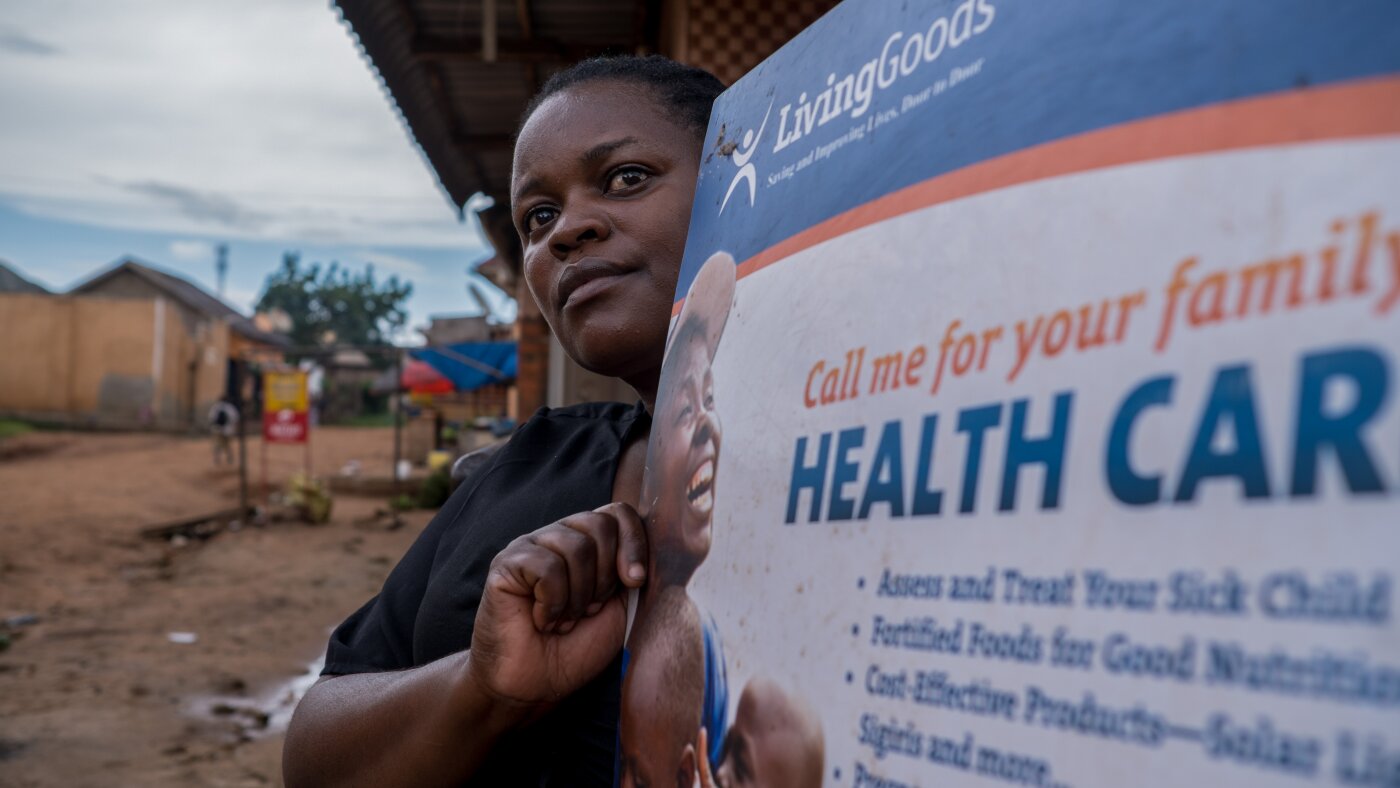
On April 29, 2026, NPR reported that the second Trump administration has effectively eliminated U.S. funding for international family planning, contraception, and condom distribution — declining to spend money Congress already appropriated for the work and proposing further cuts in the FY2027 budget. Secretary of State Marco Rubio confirmed the policy at a May 2025 congressional hearing: "There's no plan to spend that money. We're not going to be in that business globally. We're not going to do it."
Why It Matters
USAID was historically the world's largest single funder of contraceptive supplies for low-income countries. Its withdrawal restructures the entire global family planning financing stack — likely shifting demand toward European donors, the Gates Foundation, and private players. For U.S. femtech companies that have benefited from international partnerships and pilots in USAID-supported markets (Natural Cycles, period care brands, at-home STI testing companies), the political environment for cross-border reproductive health work just got materially more hostile. Domestically, the cuts also signal what the administration is likely to do to remaining domestic family-planning programs.NPR's reporting documented specific eliminated activities including "reproductive health education and access to birth control" in Ghana and "providing condoms and contraception in Kenya." Rural clinics have closed, community health workers and nurse-midwives have been laid off, and technical experts have been pulled from health ministries across multiple recipient countries. The Reproductive Health Supplies Coalition projects a "massive shortfall" in 2026 funding for global contraceptive supply.
The FY2027 budget request, released earlier in April, again zeroes out family planning aid with the line "the United States should not pay for the world's birth control." The cuts come as the U.S. domestic Title X program faces its own funding cliff — combined, the policy posture removes the United States as a primary financier of contraceptive access for tens of millions of people, both at home and abroad.
For the sexual wellness industry, the consequences are downstream but real: condom manufacturers (notably Karex, which makes 20% of the world's condoms and recently warned of 30% price hikes from Iran-war supply disruptions) lose their largest institutional buyer; reproductive health NGOs and femtech startups operating in low-resource markets lose a key partner and reference customer; and demand for at-home and long-acting contraceptive products in affected regions will increasingly fall on private and DTC channels.
Sources
- NPR — The Trump team is quietly eliminating U.S. support for birth control abroad
- WUSF (NPR) — The Trump team is quietly eliminating U.S. support for birth control abroad
- KPBS (NPR) — The Trump team is quietly eliminating U.S. support for birth control abroad
Update — 2026-04-30
Initial entry — story first created.
Update — 2026-10-08
On the ground: Tanzania's clinics are running out. On October 5, 2026, NPR's All Things Considered (reported by Durrie Bouscaren) said family-planning clinics in several African countries are reporting contraceptive shortages since the 2025 dismantling of USAID, which had been the largest donor to family-planning services in Africa. In Tanzania, the US had supplied most of the country's birth control until the abrupt cutoff in 2025. Patrick Kinemo, Tanzania country director for UK-based MSI Reproductive Choices, said his organization is "living on a month by month, quarter by quarter" basis. Rural clinics often run out of the most popular methods.
Kinemo described the US order last year to destroy nearly $10 million of contraceptives stored in a Belgian warehouse, many of them intended for Tanzania, as especially painful: "these had already been paid for." He warned the shortages raise the risk of unintended pregnancy and unsafe abortion in a country where abortion is illegal except to save the mother's life and where, per NPR, one in five maternal deaths is linked to unsafe abortion. The administration now signs bilateral health agreements directly with countries. Kinemo says those deals focus on HIV, maternal health and TB, and "family planning is not included." The State Department told NPR its agreement will help Tanzania "finance, manage and sustain its health system over the long run."
What changed since April: Our original story covered a policy decision. This is the first documented supply-side result in a named country, about 18 months on. For contraceptive manufacturers and distributors serving low- and middle-income markets, demand hasn't gone away. The buyer has, and European donors, the Gates Foundation and national health budgets haven't yet filled the gap.