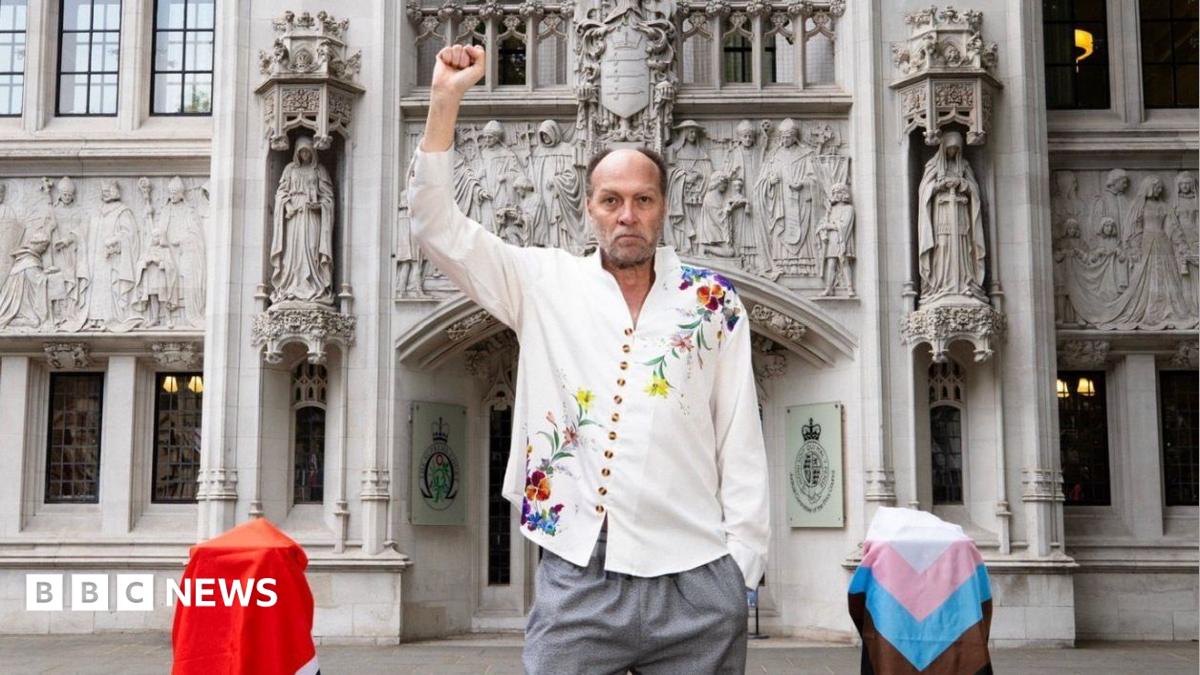
On November 10, 2026, the Judicial Committee of the Privy Council (JCPC) in London, still Trinidad and Tobago's final court of appeal, unanimously struck down the country's laws criminalising consensual sex between men. The five-judge panel allowed an appeal by Trinidad-born LGBTQ+ campaigner Jason Jones and dismissed a counter-appeal from the country's Attorney General. It found that two sections of the Sexual Offences Act 1986, criminalising "buggery" and "serious indecency" between same-sex partners, violated Jones' constitutional right to respect for private and family life (DW).
Why It Matters
Laws like this rarely lead to prosecutions, but they shape the conditions in which LGBTQ+ dating apps, sexual-health services, PrEP outreach and sex-education platforms operate: what they can advertise, which payment and hosting partners will work with them, and whether users feel safe being visible. The case also sets a precedent. A ruling from the Privy Council, the final appellate court for several Caribbean states, that the savings clause does not shield these laws gives other Commonwealth challengers a template. Compare this week's opposite trend in [Turkey's block on nine dating apps including Feeld](/stories/turkey-blocks-nine-dating-apps-feeld). For platforms with global user bases, the legal map for queer intimacy is moving in different directions in different places, and compliance teams will have to track it country by country.The government's main defence was the constitution's "savings law clause," which protects laws carried over from the colonial era against constitutional challenge. Its lawyers argued that the 1986 statute, passed by a super-majority and based on colonial-era offences, should count as "existing law." The Board disagreed. Announcing the judgment, Lord Sales said laws criminalising such conduct "cannot be regarded as reasonably justifiable in a society that has a proper respect for the rights and freedoms of an individual" (BBC). Jones' counsel had argued that because the 1986 changes increased penalties, the savings protection no longer applied.
Jones first won in Trinidad's High Court in 2018, but the government overturned that ruling on appeal. The BBC calls the case an 11-year legal battle, and says this is the first time the JCPC has decided a case decriminalising same-sex intimacy. Before the ruling, Trinidad and Tobago was one of about 34 Commonwealth countries that still criminalise homosexuality under laws inherited from Britain. DW notes the provisions had not been enforced in recent history, although campaigners said they still sent an intimidating message. "They told LGBTQ+ people that we were criminals in our own country. That message ends today," Jones said. His lawyer Anand Ramlogan SC, a former Attorney General, said "constitutional rights exist precisely because majorities are not always right."
Sources
- Anti-homosexuality laws in Trinidad and Tobago overturned — BBC News (Nov 10, 2026)
- UK court overturns Trinidad and Tobago law criminalizing gay sex — DW (Mark Hallam, Nov 10, 2026)
Update — 2026-11-11
Initial entry — story first created.