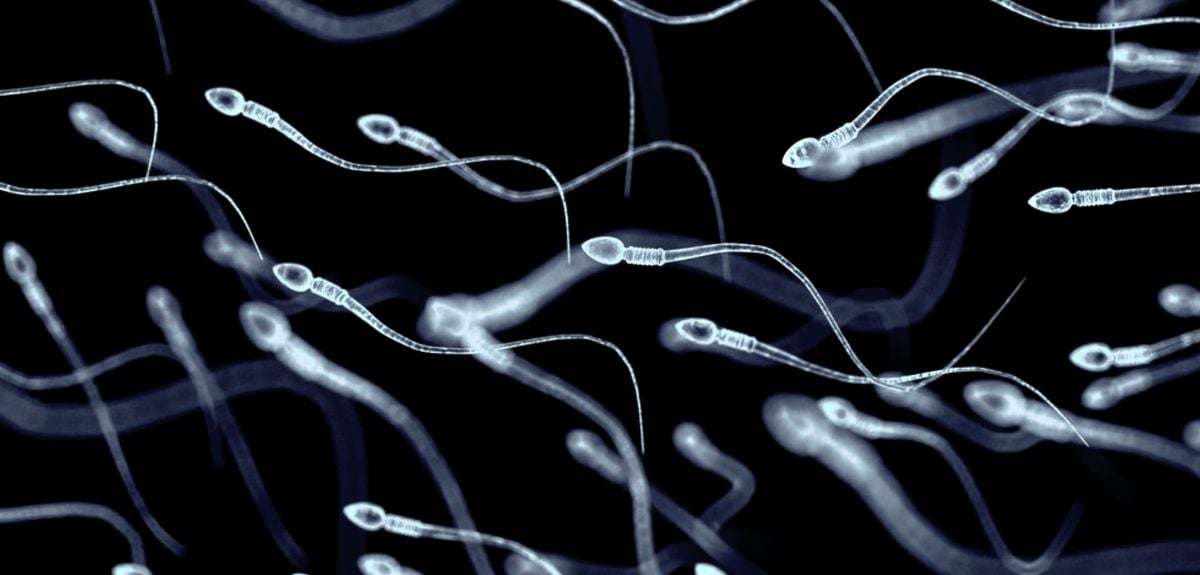
On March 25, 2026, researchers at the University of Oxford published a landmark meta-analysis in Proceedings of the Royal Society B demonstrating that stored sperm deteriorates rapidly across the animal kingdom — with significant implications for human fertility treatment. The study, titled "Sperm storage causes sperm senescence in human and non-human animals," analyzed 115 human studies involving 54,889 men alongside 56 studies covering 30 different species.
Why It Matters
This study directly impacts male fertility treatment protocols and validates the growing male sexual health segment's focus on proactive wellness rather than reactive treatment. For companies like Legacy (which just launched its Sperm Insights platform on March 20) and the broader male fertility testing market, the research provides clinical evidence supporting regular ejaculation as a fertility optimization strategy — a message that aligns with destigmatization efforts around male sexual health. The WHO guideline challenge could prompt updated clinical protocols at fertility clinics worldwide.The findings challenge current World Health Organization guidelines, which recommend 2-7 days of sexual abstinence before providing a fertility sample. Lead author Dr. Krish Sanghvi and co-leads Dr. Rebecca Dean and Dr. Irem Sepil found that regular ejaculation — ideally within 48 hours of providing a sample — significantly improves sperm quality by reducing DNA damage. Dr. Dean explained the mechanism: "Sperm quickly exhaust their stored energy reserves and have limited capacity for repair," making prolonged storage particularly damaging compared to other cell types.
The implications for IVF and assisted reproduction are substantial. Current clinical protocols that encourage abstinence may inadvertently be reducing treatment success rates. The research suggests that fertility clinics should reconsider advising patients to abstain before providing samples, and that the WHO's seven-day upper limit is likely excessive based on the evidence across species.
The study's cross-species approach — spanning humans to insects to fish — strengthens the finding by demonstrating it as a fundamental biological principle rather than a human-specific observation. The researchers noted that the deterioration pattern was remarkably consistent across species with vastly different reproductive strategies, suggesting an evolutionary conserved mechanism.
Sources
- New Study Finds Stored Sperm Deteriorates Across Animal Kingdom — University of Oxford
- More Frequent Ejaculation May Improve Male Fertility — Euronews
- Ejaculating More Frequently May Improve Sperm Quality — The Conversation
Update — 2026-03-27
Initial entry — story first created.