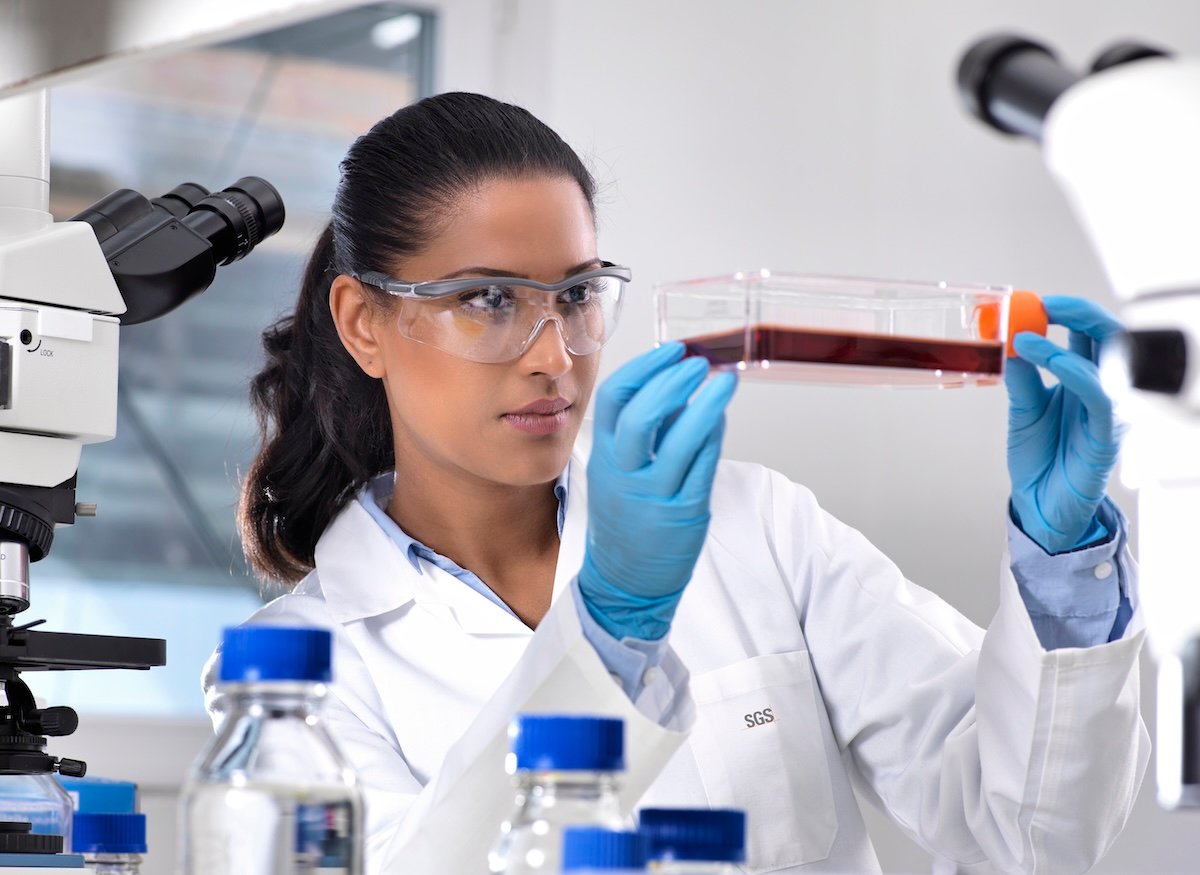
On August 6–7, 2026, biotech startup Opal Therapeutics announced it had secured a $1.25 million National Science Foundation SBIR Phase II award to scale its patient-derived gynecologic drug-screening platform — a "uterus in a dish" system built from patient cells sourced from menstrual blood and surgical biopsies. The non-dilutive federal funding is aimed squarely at one of women's health's most stubborn bottlenecks: the shortage of human-relevant preclinical models for chronic gynecologic conditions.
Why It Matters
Endometriosis affects roughly 1 in 10 women of reproductive age yet has seen almost no new dedicated drug classes in decades, in part because the disease is notoriously hard to model. Platforms like Opal's attack that gap at the discovery layer, where the entire downstream pipeline of femtech and women's-health pharma ultimately depends. For investors, patient-derived organoid screening represents a picks-and-shovels bet on the whole category: if it shortens the path from target to viable candidate for endometriosis and fibroids, it de-risks a field that VCs have long avoided precisely because clinical translation was so uncertain. Federal SBIR backing also offers a template for capital-efficient women's-health biotech in a tighter funding environment.Opal's pitch is that rodent studies and generic cell lines poorly predict how drugs behave in human uterine tissue, which is part of why drug discovery for conditions like endometriosis and uterine fibroids has been slow, expensive, and prone to clinical failure. By growing patient-derived organoids — three-dimensional "mini-uterus" tissue cultures — the company argues it can screen candidate compounds against genuinely human, disease-relevant biology before anything reaches a patient. With the new award, Opal says it will scale up its organoid samples and lab infrastructure to expand screening throughput.
The company also plans to build what it calls a "uterine atlas," combining patient tissue data with computational analysis to generate additional in vitro and in silico insights — effectively pairing wet-lab organoids with a data layer that could be licensed or mined for drug targets. That dual hardware-plus-data strategy mirrors a broader femtech trend of turning underpowered women's-health datasets into defensible commercial moats.
The raise is modest in dollar terms, but its provenance matters: NSF SBIR Phase II money is competitive, non-dilutive, and signals technical validation from federal reviewers at a moment when women's-health R&D funding is politically contested. It also lands the same week that separate research pegged UK femtech investment up 194% over the decade and a Toronto fund closed $58M for women's and children's health — reinforcing that reproductive-health tooling, not just consumer devices, is drawing capital.
Sources
- Opal Therapeutics Raises $1.25M To Scale 'Uterus in a Dish' Drug Discovery — Femtech Insider
- Opal Therapeutics Secures $1.25 Million NSF Award To Expand Uterine Organoid Platform — Pulse 2.0
- Opal Therapeutics Receives $1.25M Investment — FinSMEs
Update — 2026-08-09
{Initial entry — story first created.}