On May 20, 2026, a bipartisan coalition reintroduced the NO FAKES Act (Nurture Originals, Foster Art, and Keep Entertainment Safe) in both the U.S. House and Senate, marking the third iteration of federal legislation aimed at establishing a clear legal right for individuals to control AI-generated replicas of their voice and likeness. The bill is co-sponsored by Senators Marsha Blackburn (R-TN), Chris Coons (D-DE), Thom Tillis (R-NC), and Amy Klobuchar (D-MN), alongside Representatives Maria Salazar (R-FL), Madeleine Dean (D-PA), Nathaniel Moran (R-TX), Becca Balint (D-VT), and Laurel Lee (R-FL).
Why It Matters
The NO FAKES Act would create the first comprehensive federal framework for AI-generated likeness rights, filling a gap that the TAKE IT DOWN Act (criminal penalties for nonconsensual intimate imagery) and the DEFIANCE Act (civil remedy for deepfake victims) address only partially. For the adult content and sex tech industry, passage would establish clear legal ground for AI-generated content moderation, creator protection, and platform liability — particularly important as AI companion apps, deepfake pornography, and synthetic creator personas (like the "Jessica Foster" case) proliferate. The 70-year post-mortem right provision would also reshape the economics of digital estates in the creator economy.The 2026 version includes two significant revisions from the 2025 bill. First, a new "counter-notice" procedure allows individuals to challenge the removal of material they believe was wrongly flagged — addressing First Amendment concerns that stalled the earlier version. Second, explicit exemptions for libraries, archives, and research institutions protect academic work involving digital likenesses. The bill retains its core framework: a federally recognized right to authorize use of one's voice and likeness in digital replications, with post-mortem rights extending up to 70 years and transferable to heirs or executors. Carve-outs exist for news coverage, documentaries, biographical works, sports broadcasts, and parody or criticism.
The coalition behind the bill has widened. YouTube, Amazon, and OpenAI backed the original 2025 version; Spotify and Getty Images have now signed on to the 2026 reintroduction. The RIAA, Recording Academy, and NMPA continue their strong support, reflecting the music industry's particular urgency after viral incidents like the 2023 AI-generated Drake/Weeknd track "Heart on My Sleeve."
The reintroduction arrives during a legislative moment of unusual momentum for deepfake regulation: the TAKE IT DOWN Act's platform-compliance regime took effect May 19, the DEFIANCE Act cleared the Senate unanimously in January, and the first federal criminal charges under TIDA were filed May 22. Whether the NO FAKES Act can clear both chambers in the remaining months of the 119th Congress remains uncertain, but the bipartisan support and expanding industry coalition suggest the political will exists — if the legislative calendar cooperates.
Sources
- Deadline — Lawmakers Introduce Revised No Fakes Act To Restrict Deepfakes (May 20, 2026)
- Billboard — AI Deepfakes Bill NO FAKES Reintroduced in Congress Again
Update — 2026-05-26
Initial entry — story first created.
Update — 2026-10-05
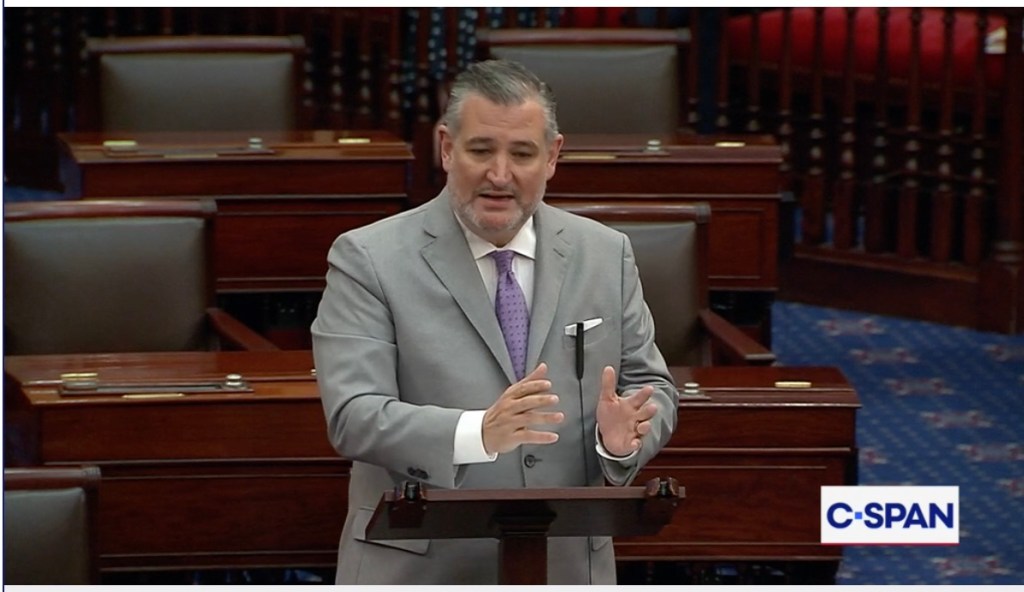
The Senate floor vote failed, and Cruz was the one who stopped it. On September 30, 2026, Sen. Marsha Blackburn (R-TN) tried to pass the NO FAKES Act by unanimous consent before the Senate left for the midterm recess. Sen. Ted Cruz (R-TX), who chairs the Commerce Committee, objected in person, which is enough to block a unanimous-consent request. "I am happy to work with you," Cruz told Blackburn on the floor, "but at least as of now, I object." Per Deadline, Cruz argued the bill's carve-out for "bona fide parody" leaves it "to big tech to make the decision" about whether satire sites like The Babylon Bee or The Onion, or AI images used in political messaging, fall inside the exception. He said he wants the bill to pass and that his staff will work with the sponsors "over the coming weeks."
The sponsors say the bill is finished. Per Deadline, the NO FAKES Act cleared the Senate Judiciary Committee in June with Cruz voting for it. Blackburn said its counter-notice procedure already protects speech: a person whose content is removed can trigger judicial review within 14 days. Co-sponsor Sen. Chris Coons (D-DE) called it "the most baked, ready-to-go AI-related bill there is," according to Raw Story, which also ties the objection to the long-running Cruz–Blackburn dispute over federal preemption of state AI laws. The bill is backed by entertainment guilds and unions, studios, record labels, OpenAI and Google/YouTube.
What changed since May: The bill moved from reintroduction through committee to a floor attempt, and that attempt failed. The Senate returns after the November 3 election, which leaves a lame-duck window at best. For adult creators and AI-companion platforms, the main point is that a federal likeness right, meaning a property-style claim over one's own voice and image with a notice-and-takedown process, is still not law. Protection against non-consensual sexual deepfakes continues to come from the TAKE IT DOWN Act (criminal penalties and 48-hour takedowns), state laws, and platform policies. Performers trying to license their AI likeness for legitimate uses also still have no single federal rule to rely on.