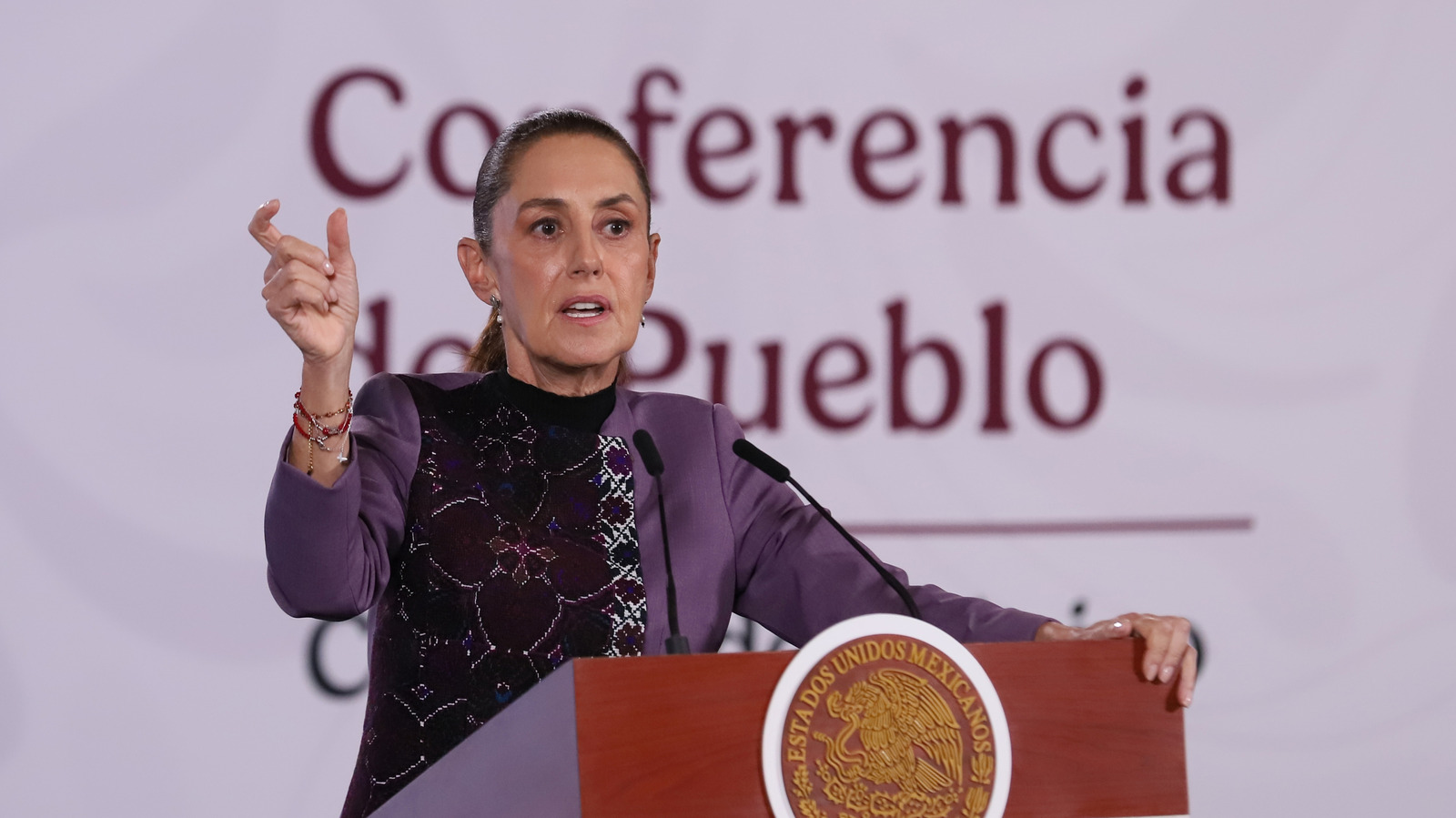
On October 14, 2026, Mexican President Claudia Sheinbaum signed a presidential decree requiring digital platforms to protect minors from harmful content, including explicit sexual material. Platforms will have one month to comply once the decree is published in the Diario Oficial de la Federación (El Imparcial; Engadget). The obligations include age verification, age-based content classification, privacy and safety settings that are on by default, parental-supervision and reporting tools, removal of accounts and content that promote violence, and a 24/7 contact point for investigating authorities. Mexico's Agency for Digital Transformation and Telecommunications will supervise compliance, and Presidential Legal Counsel Luisa María Alcalde briefed on the details.
Why It Matters
Mexico is Latin America's second-largest digital market, and with this decree it joins the UK, Australia, the EU and about half of US states in requiring age assurance for sexual content. The decree targets platforms in general rather than adult sites specifically. For adult platforms and creator sites with Mexican audiences, though, "verify ages and restrict explicit sexual material for minors" will apply to them once the follow-up law arrives. The decree route matters too. No legislative debate means no carve-outs negotiated by industry, and the "comply or we legislate penalties" warning gives the government leverage without immediate legal exposure. This adds to a regional trend Afterglow has tracked: creator platforms such as JustFor.fans adding local payment rails (Pix, SPEI, PSE) to reach LATAM fans, and Argentina's tax agency auditing OnlyFans creators. Latin America is becoming a growth market and a regulated market at the same time. Watch for the DOF publication date, which starts the 30-day clock, for which verification methods ADTT will accept, and for whether Aylo and the major cam sites respond as they did in France and parts of the US by blocking access.Engadget notes that Mexico is unusual in imposing these rules by executive decree rather than legislation, and that the decree is not punitive at first. Sheinbaum said a law with sanctions would follow if compliance falls short: "If we see that it is not being complied with, then we would move to a law that would also involve sanctions on the platforms" (El Imparcial, translated). She said the one-month grace period was granted because the companies asked for time to adapt. Spanish-language coverage says the obligations cover social networks, video games, app stores and other digital services. El CEO's report of the morning briefing names Meta, TikTok, Google, X, Microsoft, Apple and Huawei.
Sources
- Mexico's president signs decree ordering tech platforms to protect minors from adult content — Engadget (Oct 15, 2026)
- Sheinbaum firma decreto contra contenidos violentos en redes sociales; plataformas tendrán un mes para aplicar medidas de protección a menores — El Imparcial (Oct 14, 2026)
- Claudia Sheinbaum da un mes a plataformas digitales para proteger a menores de contenidos violentos — El CEO
Update — 2026-10-16
Initial entry — story first created.