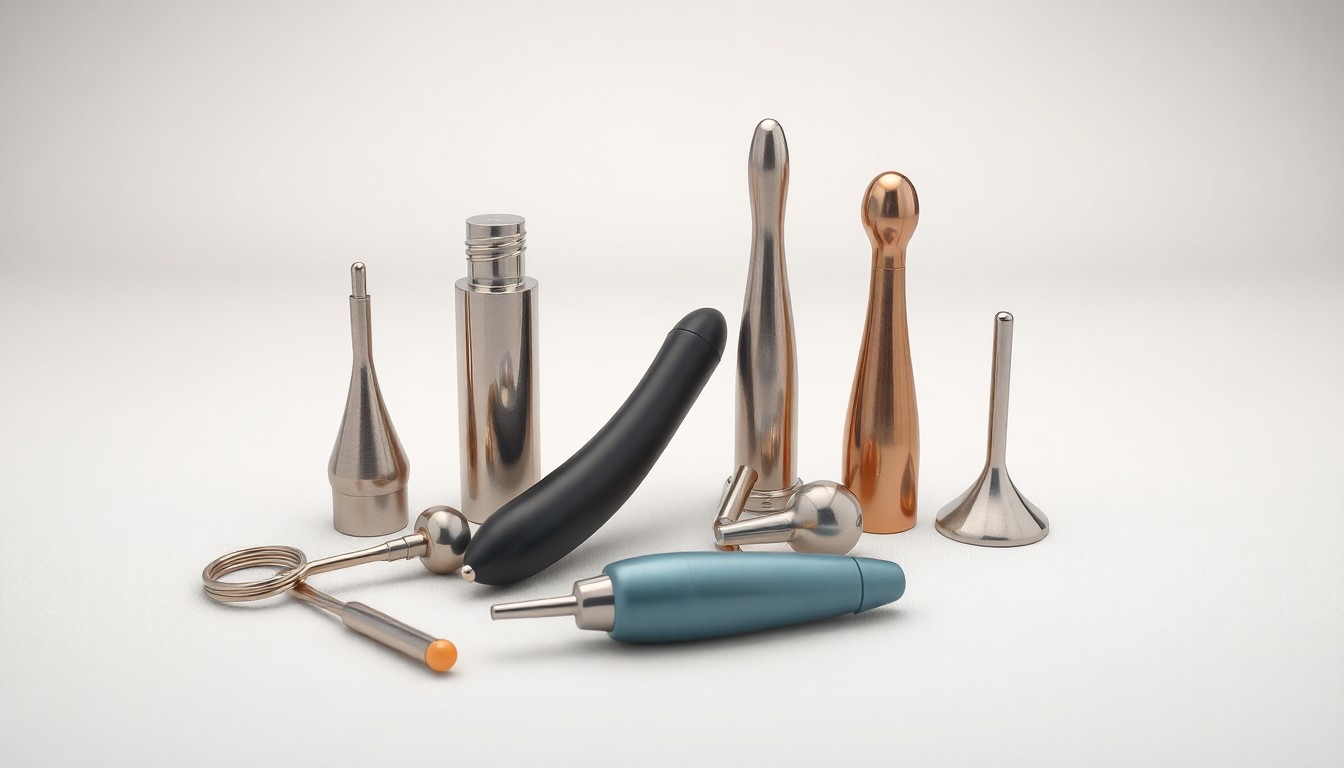
On April 3, 2026, market research firm Fact.MR published an analysis projecting the global male sex toys market will reach $12.3 billion, driven by what the report calls a "profound transformation" from niche novelty category to mainstream personal health and wellness segment. The report identifies premiumization, diagnostic wearable integration, and the shift from "novelty branding" to "pleasure as wellness" as the primary growth engines.
Why It Matters
The $12.3 billion projection and the report's emphasis on diagnostic wearables signal that the male sex toys market is following the same trajectory that brought femtech into the mainstream: the medicalization and normalization of a previously stigmatized category. For the broader sex tech industry, the convergence of pleasure devices with health monitoring could open doors to FDA pathways, insurance coverage conversations, and mainstream retail distribution channels that have historically been closed to adult products. The market's shift toward premiumization also validates the strategy of brands like LELO and MysteryVibe that bet early on luxury positioning over commodity pricing.Male masturbators hold the largest segment at 27% market share, but the fastest value growth is concentrated in app-connected, ergonomic, and body-safe products. The online retail and direct-to-consumer channel dominates at 63% of sales, with e-commerce's anonymity and product variety cited as the primary demand driver. Key players include Lovehoney, LELO, TENGA, Lovense, Fun Factory, BMS Factory, and Doc Johnson, with mass-market brands Trojan, Durex, and LifeStyles increasingly entering the space.
The most striking finding is the emergence of "sextech" as a diagnostic category. The report highlights smart rings and wearable devices now being used by urologists to monitor vascular health — effectively merging intimate products with medical diagnostics. This transition from pleasure device to health monitoring tool represents a potential paradigm shift in how male sexual health products are classified, marketed, and potentially regulated.
Regionally, Asia Pacific leads growth with India at a 15.9% CAGR, China at 13.4%, and Japan at 10.3%, while the U.S. market is mature at 4.8% CAGR. The premium segment — products using medical-grade silicone, body-safe materials, and FDA-compliant manufacturing — is capturing disproportionate value growth across all regions.
Sources
- Male Sex Toys Market Surges Toward $12.3B as 'Sextech' Disruption Gains Momentum — National Today
- Male Sex Toys Market Outlook: Europe & North America Drive Premium Intimate Wellness Growth — EIN Presswire
Update — 2026-04-04
Initial entry — story first created.