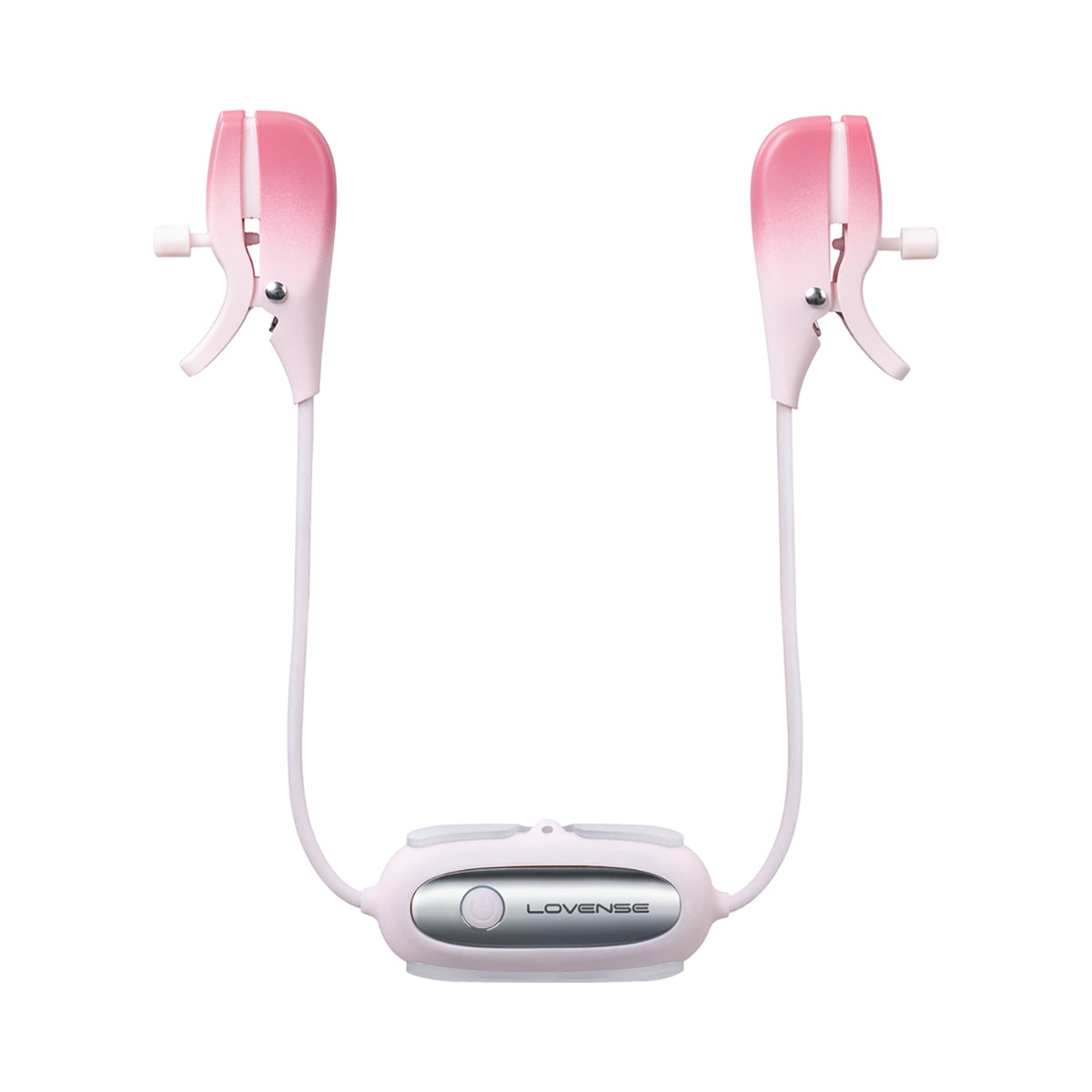
The Lovense Gemini is the connected-device category's first (and as of mid-2026, still only) app-controlled vibrating nipple-clamp product to ship at scale. Lovense — the Shenzhen-based brand that built much of the long-distance teledildonics category — released the Gemini as a gender-neutral wearable, marketed for solo use, couples play, and long-distance partner control. The product fills a category gap that the brand identified through its own user research: nipple stimulation is a high-interest stimulation mode that had effectively zero connected-device options before Gemini's launch.
Why It Matters
The Gemini is a useful case study in how Lovense uses category creation to defend its protocol moat. By shipping the only credible app-controlled nipple-clamp product, Lovense effectively locks in any user interested in the category into the Lovense Connect ecosystem — which feeds the long-distance partner-control flywheel that's been the brand's central retention strategy since 2015. For the broader category, the Gemini also signals that "obviously underserved niches" remain plentiful in connected sex tech, and that mass-market positioning of historically kink-adjacent products is increasingly viable.What makes it stand out is the combination of adjustable mechanical pinch pressure with independent vibration on each side. The two clamps connect to a single shared control unit that can hang from a chain around the neck or clip into a bra strap, and each clamp has its own vibrator. Pressure is fully adjustable via screw mechanism on each clamp (the most common alternative — coil-spring clamps — give a single fixed pressure level). Vibration on each side is controlled independently through the Lovense Remote app, which supports manual control, pattern recording, partner-control, music-sync, and Lovense's standard long-distance link with a partner's device. The button on the clamps remembers the last-used setting, so the device works without the phone after initial setup.
Reviewer consensus is narrow but consistent — the Pleasure Vibe Reviews 8.0/10 score is roughly the median across reviewer sites. The product gets credit for opening a niche the rest of the market hadn't served, and for surviving the basic hygiene-and-safety bar (silicone-coated tips, no chemical irritation, even pressure distribution). The most common critique is that the pinch range tops out at "moderate" by clamp-enthusiast standards — experienced kink users describe it as gentle compared to traditional Japanese-clover-clamp products, which is intentional positioning for a mass-market device. The dual-control feature is the standout: couples can each control one side independently from separate devices, which is a feature genuinely impossible to replicate without the app architecture Lovense has spent a decade building.
Price and where to buy: $69 USD direct from Lovense.com, with consistent Amazon stocking (Lovense-fulfilled), SheVibe, and Spectrum Boutique. Watch for Lovense's quarterly bundle promotions, which pair Gemini with the Lush 4 or other Lovense devices at meaningful discount.
Materials and safety: Silicone-coated contact tips, ABS bodies. Phthalate-free, body-safe per Lovense's published material disclosures. Bluetooth Low Energy connectivity. Splash-resistant (IPX4) — wipeable but not for shower use. USB magnetic charging, full charge in about 90 minutes, runs ~3 hours per charge. Important safety note: nipple clamps of any kind should not be worn continuously for more than 15–20 minutes due to reduced blood flow — Lovense's own user guide is explicit on this, and the brand pushes the warning more aggressively than most kink-product manufacturers.
Bottom line: This is the right pick if you're curious about app-controlled nipple stimulation, want a couples-friendly gender-neutral wearable, or already own a Lovense Lush or Solace and want to expand the ecosystem. Skip it if you want serious clamp pressure — buy traditional clover clamps from Sportsheets or Spartacus for that. Skip it if you don't want app dependency for the full feature set. As the only product in its category, the Gemini doesn't have meaningful direct competition, which makes the buying decision unusually simple: either the use case appeals to you or it doesn't.
Sources
- Lovense Gemini Review 2026: Vibrating Nipple Clamps Worth Buying? (8.0/10) — Pleasure Vibe Reviews
- Lovense Gemini Vibrating Nipple Clamps — Amazon Listing with User Reviews
- Lovense Gemini Vibrating Nipple Clamps — Luxe Vibes Product Page
Update — 2026-05-20
Initial entry — Section T product guide first created.