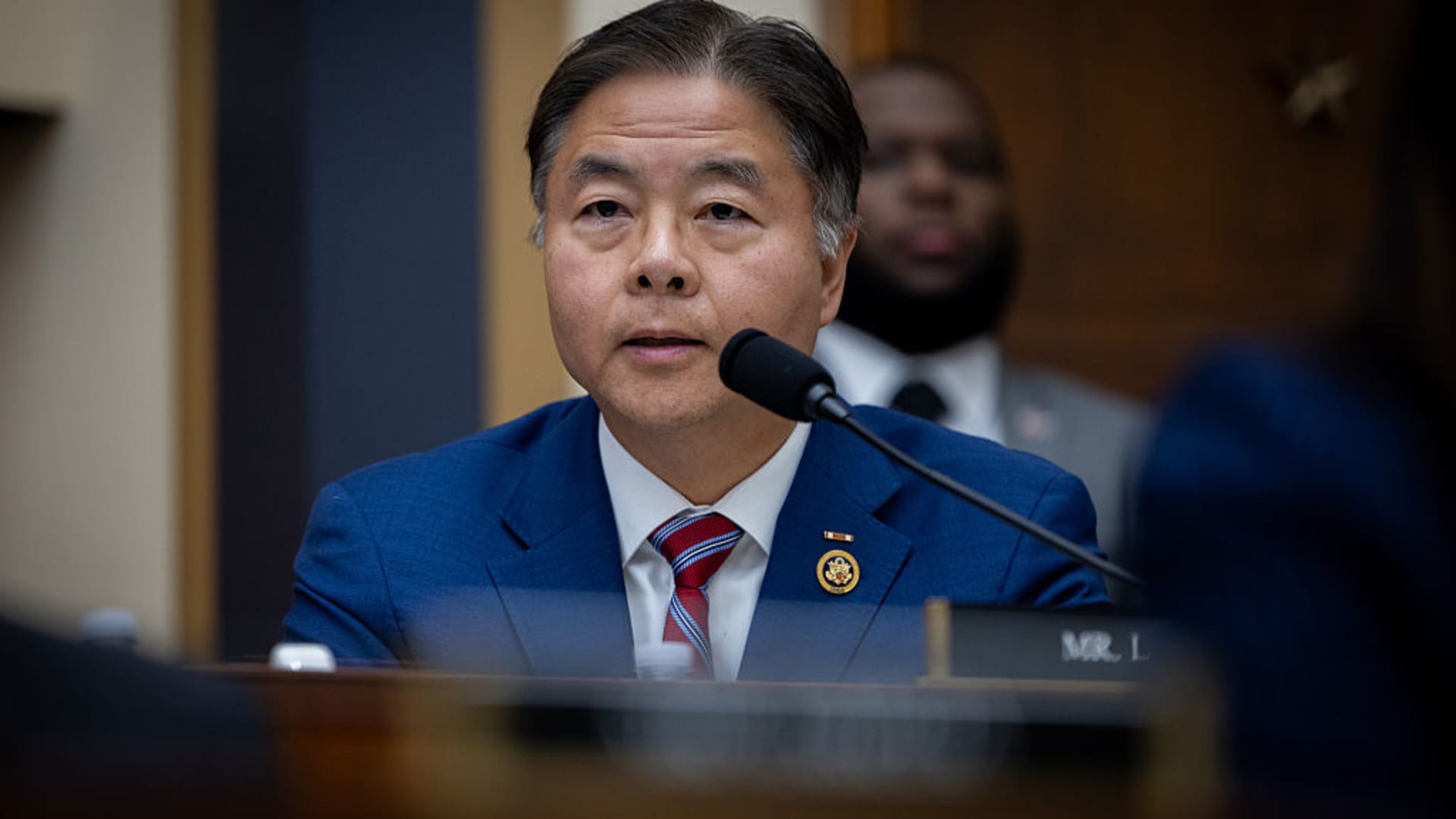
On April 27, 2026, Rep. Ted Lieu (D-California), the lead Democrat on the House Bipartisan Task Force on AI, announced a sweeping new AI bill that includes provisions targeting deepfake distribution and protecting whistleblowers who expose AI safety concerns. CNBC reported the bill first; Rep. Jay Obernolte (R-California), the task force's top Republican, plans to introduce a complementary bill later this year. Both bills draw from the bipartisan task force's 2024 report and consolidate recommendations that have circulated in standalone proposals across the 118th and 119th Congresses.
Why It Matters
Most existing federal deepfake legislation focuses narrowly on takedown obligations (TAKE IT DOWN Act) or civil remedies for victims (DEFIANCE Act). The Lieu-Obernolte vehicle is broader — bundling deepfake provisions into a comprehensive AI governance package alongside whistleblower protections, international standards engagement, and innovation grants. That packaging strategy is what makes the bill consequential: it converts deepfakes from a standalone hot-button issue into one piece of a broader bipartisan AI consensus, increasing the probability that something passes. For sex tech and adult content platforms, broader federal action means less reliance on patchwork state laws (now in 26+ states) and clearer compliance standards — though it also means more opportunity for platform liability if takedown and detection obligations are written aggressively.The bill targets multiple AI-related harms in a single package: enhanced legal remedies for victims of nonconsensual deepfakes, increased penalties for AI-enabled fraud and impersonation, mandatory U.S. participation in international AI standards bodies, and a federal prize competition for AI research breakthroughs. The whistleblower provisions are the most novel — codifying protections for AI lab employees who report safety violations or undisclosed risks to regulators, modeled loosely on SEC whistleblower protections. Specific deepfake provisions and penalty schedules have not been published in full text as of this writing.
The Lieu-Obernolte effort lands at a moment of accelerating bipartisan deepfake legislation. The TAKE IT DOWN Act took effect with a May 19, 2026 platform compliance deadline and produced its first criminal conviction (Ohio's James Strahler II) on April 8. The DEFIANCE Act passed the Senate by unanimous consent in January 2026 and awaits House action. South Dakota signed SB 41 making deepfake porn a felony on March 17. Minnesota's HF1606 passed Commerce Committee on March 26 with $500K civil penalties. Germany announced criminalization legislation on March 20. The EU Parliament voted to ban AI nudification apps on March 18. UN Women reported on March 21 that 98% of deepfake videos are pornographic.
Lieu has been one of Congress's most consistent voices on AI regulation, having introduced multiple individual deepfake bills since 2023 — most have stalled, but task-force-branded legislation typically commands more bipartisan floor time. Obernolte's parallel bill signals a coordinated rather than competing strategy. The Senate equivalent has not yet been previewed.
Sources
- CNBC — AI Bill Would Crack Down on Deepfake Distribution
- Business Story — AI Legislation Targets Deepfakes and Whistleblowers
- Rep. Ted Lieu Press Release on Bipartisan AI Bill
Update — 2026-04-28
Initial entry — story first created.