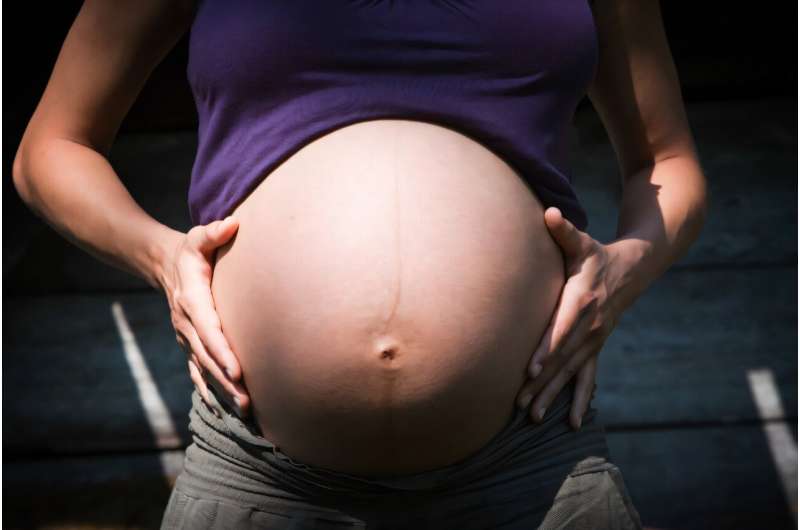
On April 25, 2026, AFP-syndicated coverage from Medical Xpress, Channels TV, and Taipei Times amplified a warning from European gynecologists and France's INSERM (National Institute of Health and Medical Research) that natural-method birth control — including fertility tracking apps and calendar-based techniques — is significantly less effective than hormonal contraception and is correlated with rising rates of unintended pregnancy and abortion. The story is anchored by a French case study of a woman who had two abortions in six months after switching from hormonal contraception to a fertility-tracking app.
Why It Matters
Fertility-app contraception is one of the largest and fastest-growing segments of femtech, with Flo, Clue, Glow, and dozens of smaller apps reaching hundreds of millions of users. The category benefits from a wellness-and-empowerment marketing frame that treats algorithm-driven cycle prediction as comparable to hormonal birth control. INSERM's data — fewer than 20% of apps making correct predictions, most sharing data with third parties — gives clinicians, regulators, and consumer-protection authorities a quantitative case for tighter labeling, accuracy claims, and data privacy enforcement. The story also strengthens the regulatory case for differentiating FDA-cleared products like Natural Cycles from the unregulated long tail of "wellness" cycle apps.The headline INSERM finding: a 2022 review of approximately 100 fertility apps found fewer than 20% made correct predictions about fertility cycles. Most apps also shared user data with third parties without informed consent. Lille gynecologist Geoffroy Robin, quoted across the coverage, called natural methods "absolutely ineffective" for the estimated 20% of women who have irregular cycles, attributing the surge in adoption to "a climate of hormone-phobia."
The data tracks a generational shift. France saw natural contraceptive adoption rise from 4.6% in 2016 to 7.5% in 2023. England and Wales saw hormonal contraception use drop from 19% in 2018 to 11% in 2023. Researchers cite a documented link between the increase in app-based fertility tracking and rising abortion rates, though they stop short of asserting direct causation.
The warning is calibrated, not blanket. The experts acknowledge that natural methods can be appropriate for women in stable relationships who would accept an unplanned pregnancy. The criticism is targeted at the marketing of fertility apps — particularly social-media-driven adoption among women in their 20s — that present cycle tracking as functionally equivalent to hormonal birth control. INSERM's conclusion: natural techniques should only be considered by women "who accept a risk of pregnancy."
The April 25 framing matters because it lands at the intersection of two trends already tracked in this archive. The U.S. Title X funding cliff (title-x-funding-cliff-march-2026) is reducing access to subsidized hormonal contraception. The Garmin–Natural Cycles integration on March 31 (garmin-natural-cycles-birth-control) made FDA-cleared fertility-app contraception available on five mainstream smartwatches in nine markets. The INSERM critique applies to the broader app category — non-FDA-cleared, algorithm-driven cycle tracking — and not to Natural Cycles, which is the only FDA-cleared fertility-app birth control method. But for the 99% of fertility apps that are not FDA-cleared, the message is direct: marketing claims outpace clinical efficacy.
Sources
- "Natural" birth control risks unwanted pregnancy, experts warn — Medical Xpress (AFP)
- Unwanted Pregnancy: Why "Natural" Birth Control Is Not A Guarantee — Channels Television
- "Natural" birth control risks pregnancy, experts warn — Taipei Times
Update — 2026-04-26
Initial entry — story first created.