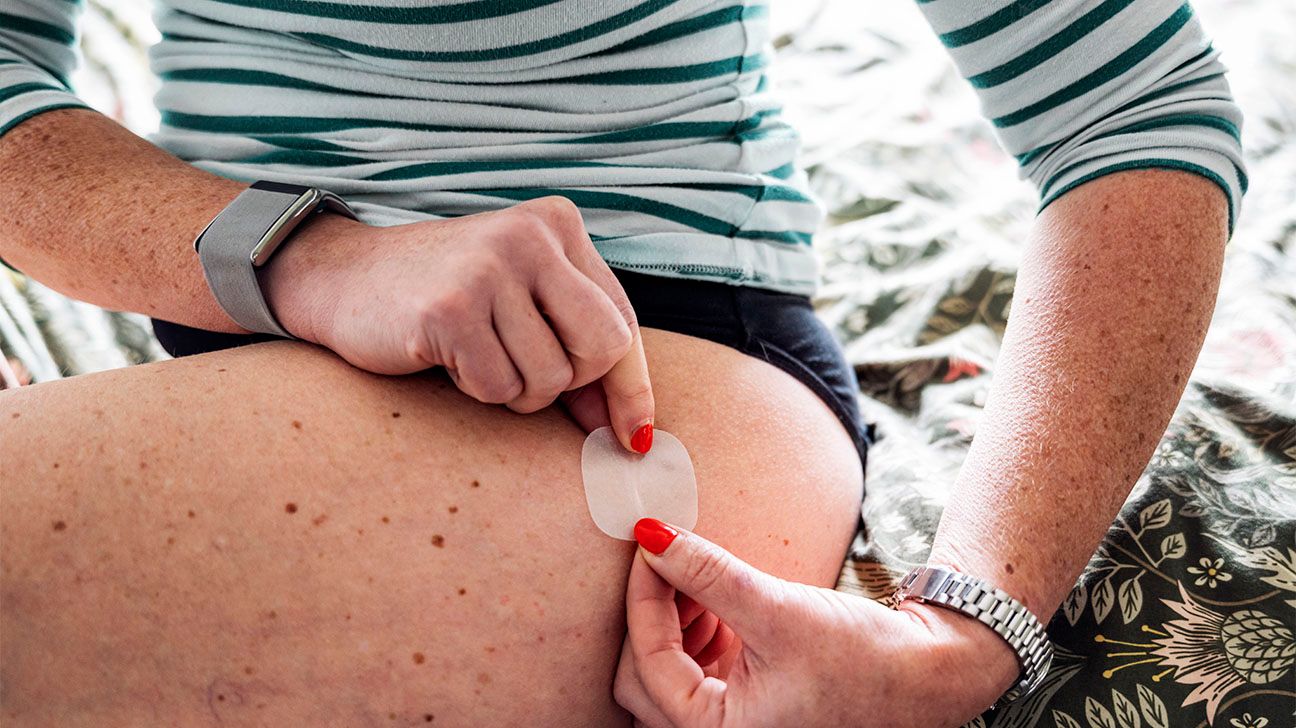
On April 8, 2026, Bloomberg published a deep-dive showing that estrogen patch prescriptions in the US have more than tripled between 2018 and February 2026, with prescribing rates among women aged 45-54 jumping 184% over the same period — the clearest market signal yet that the FDA's November 2025 black-box warning removal (which took effect February 2026) is reshaping menopause care faster than industry projections anticipated. Roughly 1 in 20 US women in that age band now has an active estrogen-based HRT prescription.
Why It Matters
Menopause has been one of the most underserved markets in healthcare for two decades, in significant part because the WHI-era warning labels deterred both patients and prescribers. The FDA's reversal — and the prescription surge that followed — is one of the largest structural shifts in women's-health pharmaceutical demand in a generation, and the second-order effects are already visible: DTC menopause telehealth scales (Hers entering with $134/month patch kits, Midi at $300+/year subscription), femtech VC capital is rotating from period care to menopause, and hot-flash-adjacent products from non-hormonal entrants like Astellas (Veoza) and Bayer (Lynkuet) get a much friendlier prescribing environment to land in. The supply-side fragility — a 3-year patch shortage, a censured UK manufacturer — also underscores that the macro story is constrained by manufacturing capacity rather than patient demand. Expect more PE rollups of compounding pharmacies and contract manufacturers serving the segment.The driver: the FDA, working with HHS, formally initiated removal of the black-box warnings on cardiovascular disease, breast cancer, and probable dementia from menopausal hormone therapy products in November 2025, with updated labeling effective in February. The decision reversed a 22-year regulatory posture rooted in the 2002 Women's Health Initiative findings, which subsequent re-analyses have substantially nuanced. The endometrial-cancer warning for systemic estrogen-alone products in women with a uterus remains. Updated labeling now emphasizes timing — initiating HRT before age 60 or within 10 years of menopause onset — to optimize benefit-risk balance.
The clinical pull-through has outrun the supply chain. Estrogen patch shortages — first flagged by the FDA in late 2025 — have widened, with industry analysts and pharmacy benefit managers now estimating a 3-year supply gap. Healthline coverage in April 2026 walked through the alternatives: estrogen gels (Divigel, Estrogel), sprays (Evamist), and oral tablets, all of which deliver the therapy through different routes. The shortage has been a tailwind for direct-to-consumer telehealth menopause platforms — Hers (which launched its $134/month estrogen patch service April 22, covered separately), Midi Health, Evernow, and Elektra — that secured pre-shortage inventory contracts.
A separate UK regulatory story sharpens the global picture: Theramex, the UK manufacturer of Evorel and Intrarosa HRT products, was censured by regulators in April 2026 for "systemic failures" in compliance and patient safety. The action lands at the same moment UK demand is also surging on the back of NICE's March 2026 endorsement of Veoza (fezolinetant) — the first non-hormonal menopause treatment recommended on the NHS, covered separately in the archive.
Sources
- Hormone Therapy Prescriptions Jump as FDA Removes Black Box Warnings — Bloomberg
- Hormone Replacement Therapy Will No Longer Carry a Warning Label — NBC News
- FDA Removes Menopause Hormone Therapy Black Box Warnings — Harvard Health
- Menopause Estrogen Patches Are in Short Supply — Healthline
- HRT Maker Censured by Regulators — FemTech World
Update — 2026-04-27
Initial entry — story first created.