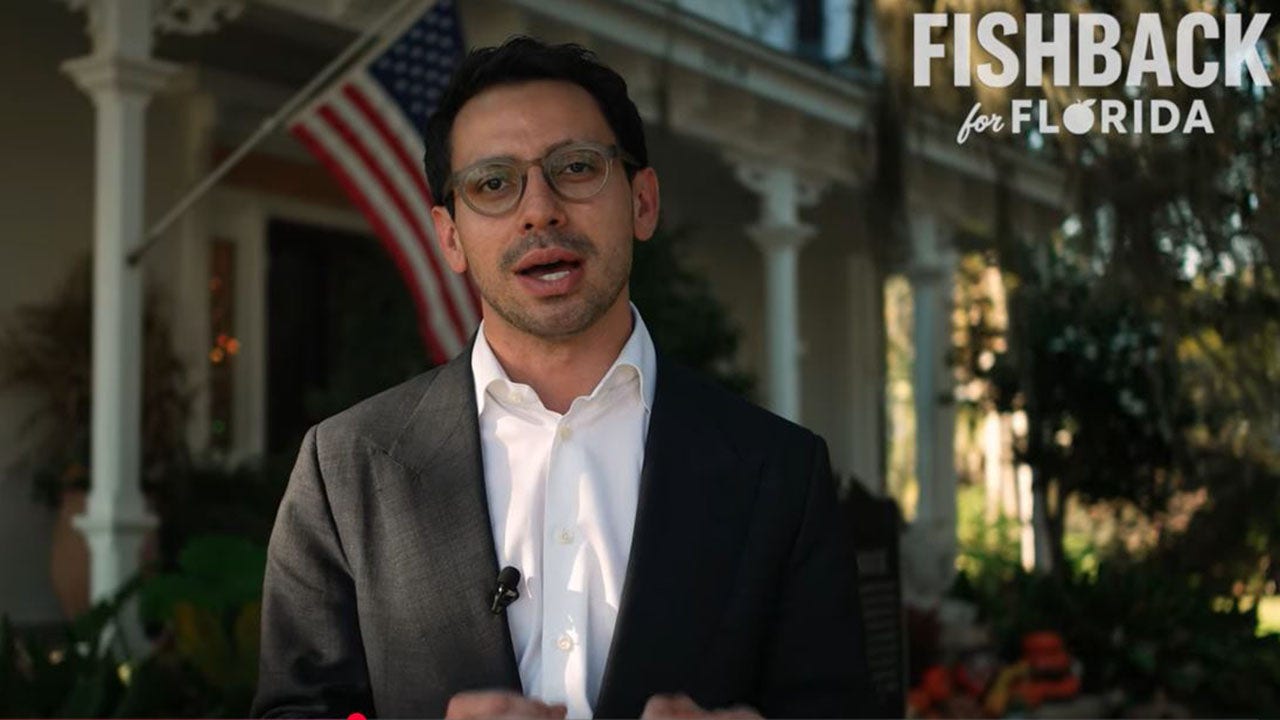
On January 16, 2026, Republican Florida gubernatorial candidate James Fishback proposed a 50% income tax on OnlyFans creators in the state, calling the platform an "online degeneracy platform" and vowing he would not "tolerate this cultural degeneracy as Florida's next Republican Governor." The investment firm CEO estimated the tax would raise approximately $200 million annually, which he said would fund education improvements, crisis pregnancy centers, and a new "mental health czar for men."
Why It Matters
The Florida sin tax proposal — however politically unlikely from a long-shot gubernatorial candidate — represents a new vector of regulatory pressure on the adult creator economy. If the concept gains traction beyond Alabama's existing 10% tax, platforms like OnlyFans could face a patchwork of state-level taxes that function as de facto content regulation through economic disincentives. For the broader sex tech industry, it signals that politicians increasingly view adult content platforms as politically advantageous targets, adding tax policy to the existing toolkit of age verification mandates and payment processor pressure.The proposal drew immediate backlash from the creator community. Sophie Rain, one of OnlyFans' top earners with over $100 million in subscription revenue, called the idea "the dumbest thing" she'd heard, asserting that no one forced her onto the platform. Another creator, Piper Fawn, challenged the religious framing: "Sin is a biblical term, it's not a legal term." The debate has continued generating national headlines into March, with CNN's Donie O'Sullivan traveling to Florida on March 18 to interview Fishback and several prominent OnlyFans creators for an in-depth segment.
The proposal comes as OnlyFans spending data reveals the platform's deep economic footprint. California residents alone spent $350.6 million on the platform in 2025, accounting for 13% of nationwide spending. Boston residents contributed $14.3 million. Americans now spend more on OnlyFans than on ChatGPT or The New York Times combined, underscoring the platform's scale — and the political temptation to tax it.
Fishback's proposal isn't entirely without precedent. Alabama passed a 10% sin tax on pornographic websites in 2025, the first such levy in the nation. However, critics including Rev. Robert Sirico of the Acton Institute argue that sin taxes create moral hazard, disproportionately burden lower-income workers, and represent government overreach into areas better addressed through cultural change. The vast majority of OnlyFans creators earn modest incomes — the average is under $200 per month after platform fees — meaning a 50% tax would hit hardest at the bottom of the earnings ladder.
Sources
- Florida GOP Candidate Wants 50% Sin Tax on OnlyFans Creators — Fox News
- A Sin Tax on OnlyFans Creators? The Arguments For and Against — Deseret News
Update — 2026-03-19
Initial entry — story first created.