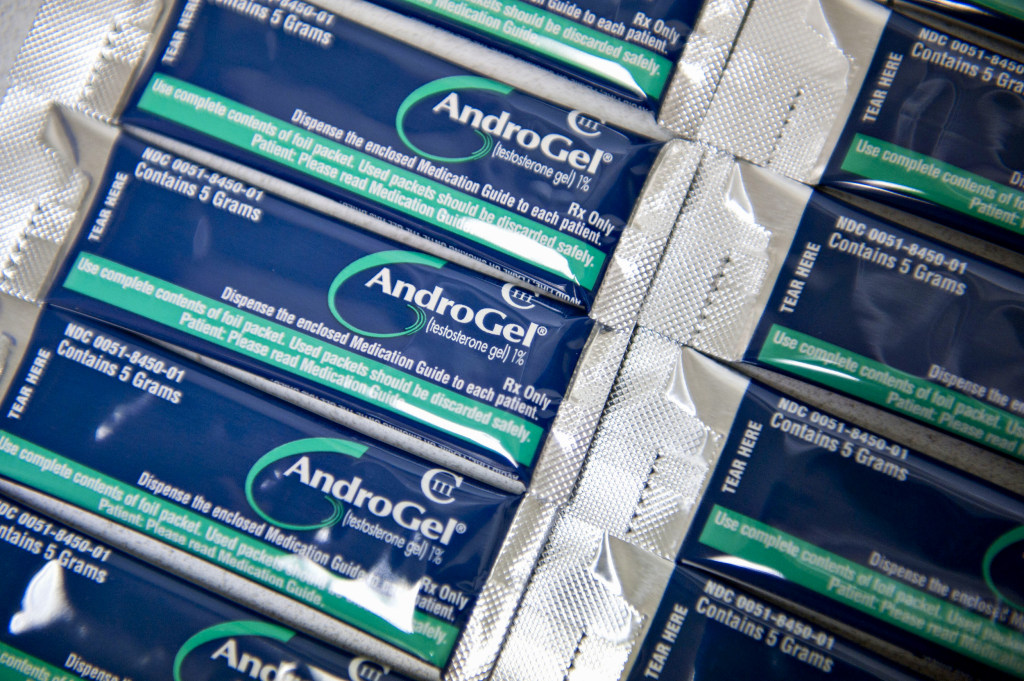
On December 10, 2025, the FDA convened an expert panel of urologists, endocrinologists, and men's health specialists to review the regulatory framework surrounding testosterone replacement therapy. The panel's recommendations were sweeping: remove testosterone from the Schedule III controlled substance list, eliminate outdated prostate cancer contraindications from product labels, and expand the approved indication to include any man with clinically low testosterone and associated symptoms — not just those with a diagnosed underlying medical condition.
Why It Matters
If testosterone is descheduled and indications broadened, the addressable market for telehealth TRT platforms like Hims, Ro, and T-TIME could expand dramatically. An estimated 20 million American men have low testosterone, but current regulatory barriers suppress prescribing. Removing the controlled substance designation would ease pharmacy stocking, reduce prescription monitoring burden, and likely accelerate the already-booming online TRT market."Testosterone is still regulated as if it were a dangerous, performance-enhancing drug from the 1980s," said Dr. Helen Bernie of Indiana University. Dr. John Mulhall of Memorial Sloan Kettering added that "thousands of patients in need of testosterone therapy have been and are being deprived of it." Dr. Landon Trost of the Male Fertility Clinic noted the Schedule III designation causes physician hesitancy and pharmacy supply limitations, driving men to unregulated "pop-up T clinics."
The panel's confidence was bolstered by the TRAVERSE trial, a large randomized, placebo-controlled study published in the New England Journal of Medicine, which found TRT was not associated with higher rates of heart attack or stroke versus placebo. The FDA had already removed a cardiovascular black-box warning from testosterone labels in February 2025.
The comment period on the FDA's request for information closed on February 9, 2026. While the panel's recommendations are advisory, they signal a potential paradigm shift. Descheduling would require action from the DEA and potentially Congress, since testosterone was placed in Schedule III through the Anabolic Steroids Control Act of 1990.
Sources
- FDA Panel on Testosterone Replacement Therapy — NBC News
- FDA Panel Calls for Easing Restrictions on Testosterone — Healthline
- FDA Panel Calls for Easing Restrictions — RAPS
- FDA Panel Supports Expanding Testosterone Therapy — Healio
Update — 2026-03-14
Initial entry — story first created.
Update — 2026-04-18
On April 16, 2026, the FDA took a significant step forward on the testosterone therapy expansion envisioned by last December's expert panel. The agency announced it is formally inviting testosterone manufacturers to submit data supporting a new approved indication: treatment of low libido in men with idiopathic hypogonadism — low testosterone with no identifiable underlying cause. This is clinically meaningful because millions of men have low-T and associated symptoms but do not have a diagnosed condition (such as Klinefelter syndrome or hypothalamic injury) that currently qualifies them for covered TRT. Under existing labeling, their physicians can prescribe off-label, but insurers routinely deny coverage. A formal indication change would unlock coverage for a substantially larger patient population.
Manufacturers must initiate discussions with the FDA by April 30, 2026 — a two-week window. Hims & Hers stock jumped 11% on the news, with trading volume hitting 74.6 million shares (111% above average). Bank of America raised its price target from $21 to $25. Hims already offers branded oral testosterone (KYZATREX) and planned to introduce exclusive branded TRT in 2026, putting the company in a strong position if the indication expands.
The same April 16 news cycle included RFK Jr.'s announcement that the FDA may remove 12 peptides from Category 2 compounding restrictions — a separate but related deregulatory signal that further boosted Hims' stock, given the company's existing peptide manufacturing facility in California. The dual announcements on a single day represent the most favorable regulatory environment for male sexual health telehealth platforms since the FDA removed testosterone's cardiovascular black-box warning in February 2025.
New Sources
- FDA Signals Potential Expansion of Testosterone Therapy to Treat Low Libido in Idiopathic Hypogonadism — AJMC
- FDA Takes Step Forward on Testosterone Therapy for Men — FDA.gov
- Hims & Hers Health Jumps on FDA Peptide Review — Motley Fool
Update — 2026-06-30
On June 23, 2026, HHS — acting through the FDA — formally requested that testosterone manufacturers update the prescribing information (labels) on TRT products, converting the December 2025 expert-panel recommendations into concrete regulatory action. Three changes are proposed. First, the FDA wants to remove the 2015 limitation stating that TRT's safety and effectiveness "have not been established" in men with age-related low testosterone — language added when cardiovascular concerns were unresolved. The agency cited the TRAVERSE trial (5,200+ men), which found no meaningful rise in major cardiovascular events including heart attack and stroke. Second, the prostate-cancer contraindication would be narrowed so testosterone is off-limits only for men with metastatic prostate cancer, rather than all prostate cancer — echoing the May 2026 SPIRIT trial findings. Third, the labels would better reflect current heart and prostate risk evidence overall.
The move is a direct boon to telehealth TRT platforms (Hims & Hers, Ro, LifeMD's new XYOSTED self-pay program) by easing physician hesitancy and broadening the population for whom on-label prescribing is defensible. Branded-TRT maker Marius Pharmaceuticals (KYZATREX) publicly applauded the proposal as "a turning point for men's health." The label updates are still proposals requiring manufacturer action and FDA finalization, but they mark the most substantive forward step since the December panel.