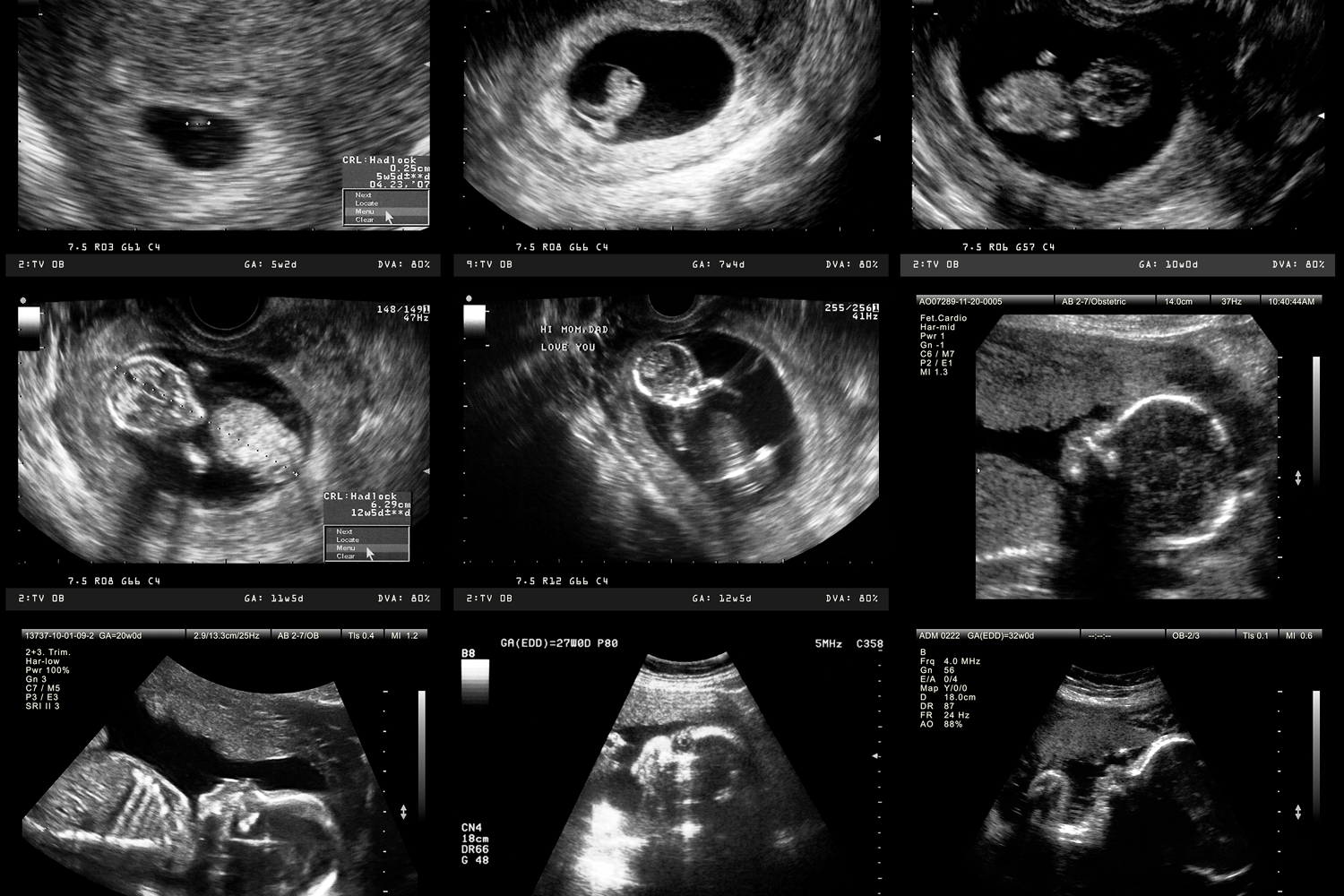
On October 13, 2026, NYU Langone Health announced a study, published online October 4 in Environment International, linking prenatal exposure to DINCH (diisononyl cyclohexane-1,2-dicarboxylate) to lighter and smaller newborns. DINCH is a plasticizer that manufacturers adopted as a safer replacement for phthalates. The analysis drew on 6,617 pregnancies in the NIH-funded Environmental influences on Child Health Outcomes (ECHO) program. Every tenfold increase in DINCH exposure was associated with a 27-gram reduction in birth weight, and higher exposure raised the odds of a baby being "small for gestational age." Between 50% and 70% of participants had measurable DINCH breakdown products in their urine. Third-trimester exposure showed the strongest association.
Why It Matters
"Phthalate-free" has been a standard body-safety claim for pleasure products since the jelly-rubber era. The industry's answer to phthalate concerns has been to move flexible PVC and TPE products to alternative plasticizers, and DINCH is one of the most widely marketed of those. Plastics suppliers advertise it as compliant with REACH, EN 71 toy rules and CPSIA. Afterglow has not confirmed which pleasure-product makers use DINCH, and that is the point: few brands disclose their plasticizers at all. The practical takeaway for brands and retailers is that **"phthalate-free" is no longer a sufficient safety claim**. The platinum-cure silicone, ABS and glass/metal end of the market avoids plasticizers entirely, and the study strengthens the case for that positioning. Brands still selling soft PVC or TPE should expect retailers and reviewers to ask what replaced the phthalates. EU and California regulators already list ortho-phthalates, and studies like this are how a substitute gets onto the next watch list. Brands that already disclose their full materials list have the advantage, and the study helps their case."Our findings suggest that a chemical promoted as a safer replacement for phthalates and other plasticizers may affect how babies grow in the womb," said lead author Dr. Leonardo Trasande, who called for chemicals to be tested "before they are introduced to the market, instead of after they are connected to health concerns." The New Lede quoted Mount Sinai's Shelley Liu, who described the pattern as a "regrettable substitution": industry swaps one functional chemical for another that later turns out to have its own problems.
This is an observational association, not proof of harm. The effect is small per tenfold increase in exposure, and the study looks at pregnancy outcomes rather than skin or mucosal contact. Laboratory work cited by the researchers suggests DINCH breakdown products can interfere with hormones and promote inflammation.
Sources
- Exposure to 'Safer' Plastic Additive During Pregnancy Linked to Smaller Birth Size — NYU Langone Health (Oct 13, 2026)
- Plastic additive meant to replace toxic phthalates linked to lower birth weights, study finds — The New Lede (Oct 2026)
- DINCH Plasticizer | Non-Phthalate — Bastone Plastics (supplier compliance claims)
Update — 2026-10-16
Initial entry — story first created.