On October 28, 2026, the Computer & Communications Industry Association (CCIA) sued Alabama officials in the U.S. District Court for the Middle District of Alabama to block Alabama Act No. 2026-59, the state's app-store age-verification law. Bloomberg Law reports that the law requires every smartphone user to verify their age before accessing any app store, and requires parental consent before anyone under 18 can download any app or make any in-app purchase. CCIA argues it violates the First Amendment and the Commerce Clause. MLex reports the law is set to take effect in January.
Why It Matters
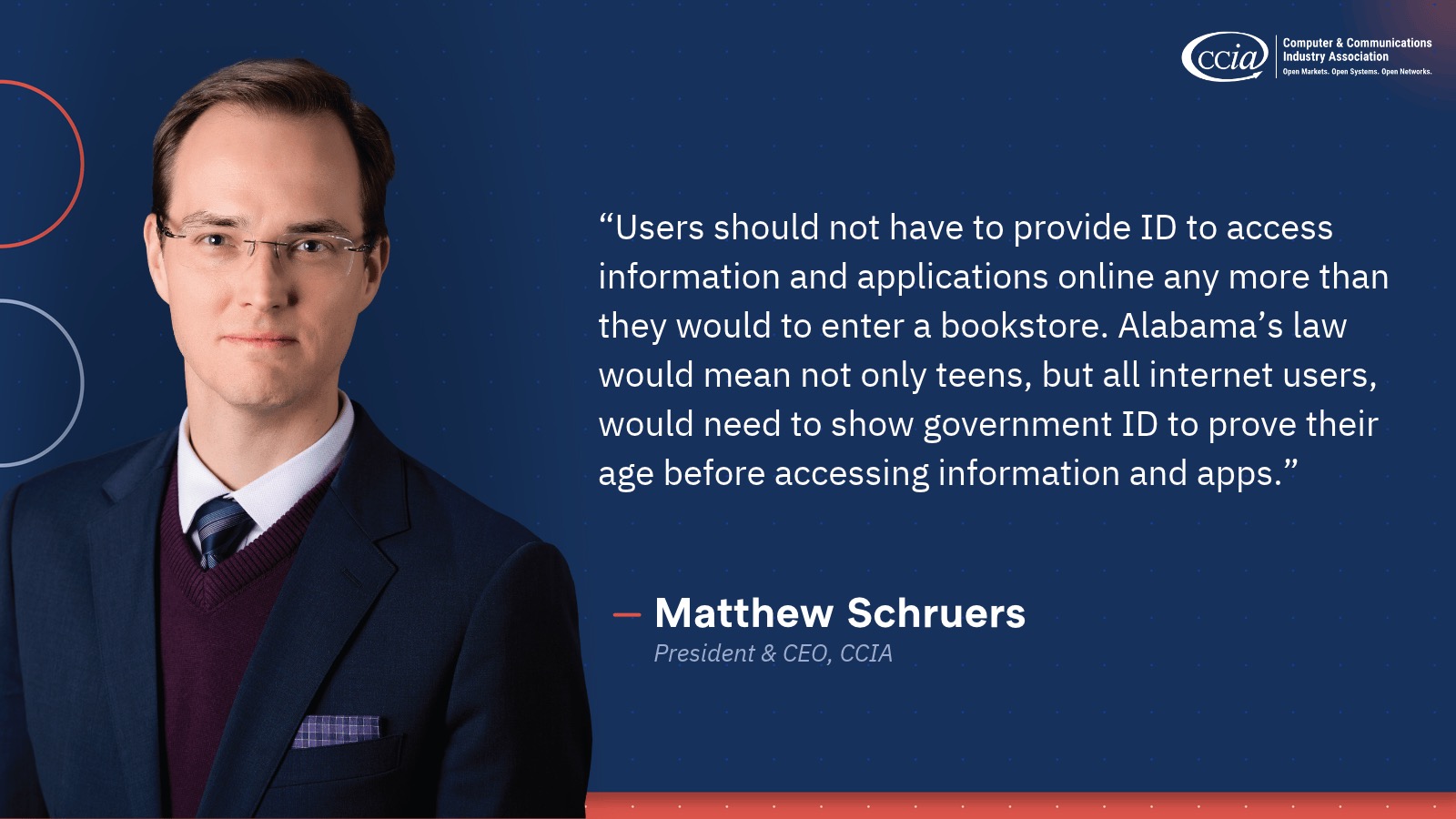
App-store gating is now the main route for age verification in the U.S., and sextech is directly affected. Connected-toy companion apps, sexual-health and fertility trackers, dating apps and 18+ content apps all reach users through Apple and Google storefronts. Laws like Alabama's turn the store into an identity checkpoint for every user, not only for adult content. They also push developers to self-classify content into state-defined age tiers, which is where a vibrator remote app or a sex-ed app could end up mislabeled. Apple has already built the infrastructure ([iOS 27.2's selfie age check](/stories/apple-ios-27-2-selfie-age-check)), and after the [Texas Fifth Circuit ruling](/stories/texas-app-store-av-5th-circuit) these laws have a path to enforcement. If an Eleventh Circuit challenge succeeds, it could set up a circuit split and give the Supreme Court a cleaner case than Texas. Brands distributing through app stores in Alabama should plan for verification friction at install from early 2027 unless a court blocks the law.CCIA's complaint says the law "walls off virtually all mobile apps behind a series of verification and consent gates," including apps for political, educational, religious and artistic expression. It also says the law can be read to compel speech by requiring developers to "age-rate" their content into several subcategories, which CCIA argues conflicts with federal law. "Users should not have to provide ID to access information and applications online any more than they would to enter a bookstore," said CCIA President and CEO Matt Schruers. "Alabama's law would mean not only teens, but all internet users, would need to show government ID to prove their age."
CCIA has been here before. It notes that a federal district judge found Texas's similar App Store Accountability Act likely unconstitutional and blocked it, but the Fifth Circuit overrode that injunction. Alabama sits in the Eleventh Circuit, which gives the challengers a different appellate court and a chance at a different result.
Sources
- CCIA Files Lawsuit Arguing Alabama's App Store Law Likely Violates First Amendment — CCIA (Oct 28, 2026)
- Alabama's App-Store Age-Check Law Challenged as Unconstitutional — Bloomberg Law (Oct 28, 2026)
- Tech trade group sues to halt enforcement of Alabama's App Store Accountability Act — MLex (Oct 28, 2026)
Update — 2026-10-29
Initial entry — story first created.